LoDo Kitchen Refresh: Woven Wood Shades for a Modern Renovation
Urban loft residential design in Denver''s LoDo neighborhood operates on a distinct design language. Exposed brick, structural timber, industrial windows, and open-plan layouts define the architectural context. Window treatments in these spaces have to work harder than in conventional residential contexts because the treatments often interact with exposed structural elements, non-standard window configurations, and the loft''s characteristic relationship between interior and urban exterior.
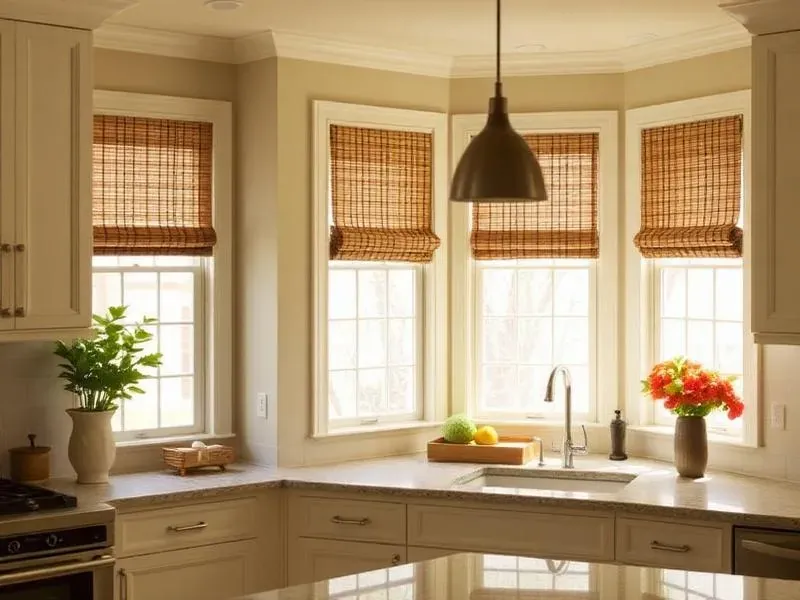
This LoDo kitchen project illustrates how natural woven wood shades solve a specific design problem in urban loft renovation. The project included custom woven wood shades across the kitchen''s substantial window expanses, specified to filter the direct afternoon sun, add a natural textural layer to the industrial architecture, and maintain the visual connection to the LoDo streetscape without exposing the kitchen activity to passersby.
The LoDo Loft Context
LoDo lofts typically feature windows that differ substantially from conventional residential windows. Large factory-style units with multiple panes, windows that sit close to the ceiling, windows that span entire walls, and windows that face urban streets or courtyards with limited privacy.
For kitchen applications specifically, the window treatment requirements are functional as much as aesthetic. Afternoon heat gain through west-facing windows can make kitchens uncomfortable without filtering. Grease and moisture from cooking activity can degrade fabric treatments over time. The treatments need to be easy to operate, easy to clean, and durable against the daily conditions a kitchen subjects them to.
Woven wood shades solve most of these requirements in a single specification. The natural fiber construction handles kitchen conditions better than most fabric treatments. The material reads as intentional against industrial architecture rather than fighting it. The light filtration preserves the urban view while softening the direct sun.
Why Woven Wood Shades Suit Kitchen Applications
Woven wood shades are constructed from natural materials including bamboo, reed, grass, jute, and occasional wood slats. The materials are woven into a flexible shade that raises and lowers on a standard roman shade mechanism. The aesthetic is natural, textural, and architectural in a way that fabric shades cannot match.
For kitchens specifically, woven wood shades offer several functional advantages over fabric roman shades. The natural materials handle heat and humidity better than many fabrics. The open-weave construction allows air circulation that fabric shades block. The surface is less susceptible to staining from cooking activity. Maintenance is typically simpler, requiring periodic dusting rather than the fabric care that treatments over cooking areas can require.
The aesthetic fit matters as much as the functional performance. Woven wood shades read as warm, natural, and grounded against LoDo''s industrial materials. Fabric shades in the same application would either disappear (soft, neutral fabrics) or dominate (patterned or textured fabrics) in ways that the architectural context does not want.
The Material Selection
Woven wood shades come in a broad range of material weights, weaves, and tones. The specification for this kitchen called for a medium-weight weave in a warm neutral tone that complemented the kitchen''s wood and metal palette without reading as overly rustic.
The weave density was specified to provide meaningful light filtration while preserving enough openness to maintain the natural texture that distinguishes woven wood from standard roller shades. Very dense weaves read as opaque and lose the characteristic woven quality. Very open weaves filter too little light for kitchen application. The middle ground, matched to the specific material, delivers both the aesthetic and the function.
Liner options for woven wood shades include no liner, privacy liners that sit behind the woven material, and blackout liners for rooms that need full light control. For this kitchen, a privacy liner was specified. The liner provides evening privacy without the harder profile that blackout linings would impose on the kitchen aesthetic.
The Hardware and Mounting
Woven wood shades mount on standard roman shade hardware with similar considerations to fabric roman shades. Mount type (inside or outside mount), mount depth, and the mechanism for raising and lowering all have to match the project''s architectural context.
For this LoDo kitchen, the shades were specified with an outside mount approach, which allowed the shades to cover the full window opening plus an additional reveal above and below. The outside mount produced a cleaner aesthetic against the industrial window frames and provided better light control at the edges of the opening.
The lift mechanism used cordless construction for safety and simplicity. Cordless shades in kitchen applications avoid the practical issue of cords that can interfere with cooking activity or create cleaning complications. The cordless mechanism raises and lowers smoothly with a simple manual operation.
Hardware finish coordinated with the kitchen''s metal palette. The mounting brackets and the headrail finish were specified in a warm metal tone that related to the cabinet hardware and light fixtures in the kitchen.
The Fabrication Scope
Woven wood shade fabrication differs from fabric roman shade fabrication in several respects. The material sourcing happens through specialty suppliers rather than through trade fabric showrooms. The cutting and construction requires equipment and expertise specific to woven materials. The finishing is different, with natural materials requiring particular care in edge binding and bottom rail treatment.
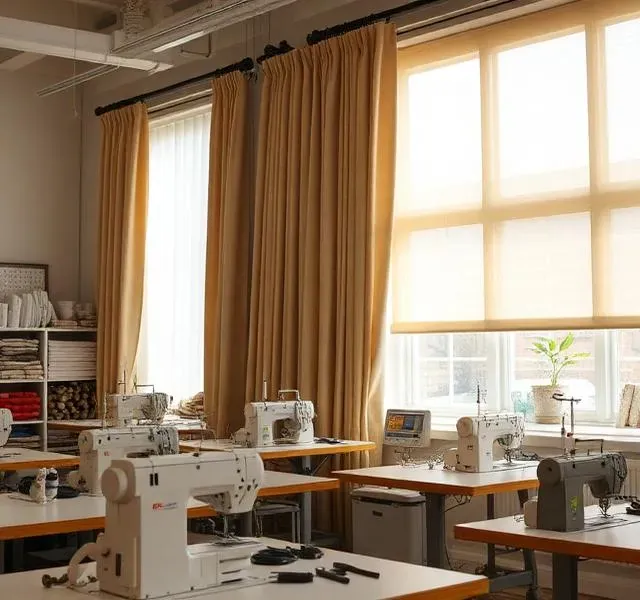
The Roseworks workroom handles woven wood fabrication alongside fabric treatment scope. For this project, the woven wood shades moved through the same specification, quoting, and fabrication workflow as fabric-based treatments would have, with material-specific expertise applied at each stage.
The project fabrication timeline ran approximately eight weeks from specification approval to completed installation. Material sourcing for woven wood shades typically runs shorter than custom fabric sourcing because the material availability patterns are more predictable. Fabrication itself runs similar to fabric roman shade timelines for comparable project sizes.
The Installation
Installation for the LoDo kitchen was coordinated around the kitchen renovation''s overall timeline. The shades were installed after the cabinet installation and the final paint but before the countertops and backsplash, which allowed clean mounting access without the risk of damaging adjacent finishes.
Installation itself took part of a single day on site. The cordless mechanisms required no wiring coordination, which simplified the scheduling compared to motorized installations. Each shade was mounted, tested for smooth operation, and adjusted for consistent bottom rail alignment across the kitchen''s window bank.
What This Project Illustrates
The LoDo kitchen project illustrates several points about custom window treatment specification in urban loft contexts.
Material selection matters as much as construction. A fabric roman shade in the same kitchen would have performed well functionally but would not have contributed the textural and aesthetic quality that the woven wood material brought.
Kitchen applications benefit from durability-focused specification. Natural materials with open-weave construction handle kitchen conditions better than many fabric alternatives and look appropriate in the architectural context.
Outside mount configurations can improve both aesthetics and light control. For industrial-style windows with visible frames, outside mount approaches avoid the framing complications that inside mount approaches introduce.
Cordless construction is the appropriate default for kitchen applications. The operational simplicity and the absence of cord-related complications make cordless the right choice absent a specific reason to specify otherwise.
Natural Shades Beyond Kitchens
Woven wood shades work well in many residential applications beyond kitchens. Living rooms, sunrooms, offices, and bedrooms can all benefit from the natural textural layer that woven materials contribute. The material performs particularly well in rooms with views that the designer wants to preserve while filtering direct light.
For designers considering woven wood shades on upcoming projects, the specification process is similar to fabric roman shades with material-specific considerations layered in. Roseworks Fabrication can walk through specification options at the Westminster workroom, where material samples are available for evaluation alongside fabric alternatives.
To specify natural shades for an upcoming project, contact Roseworks to discuss scope and material options. For the complete roman shade specification framework, review Custom Roman Shades: The Designer''s Complete Fabrication Guide. For style comparisons across shade construction, see Flat vs. Soft Fold vs. Relaxed: Choosing the Right Roman Shade Style for Every Room. To see where this work is produced, take the Westminster Workroom Tour.
Natural materials for urban and residential window treatments.
Roseworks Fabrication specifies and fabricates woven wood shades alongside fabric roman shades for residential projects across Denver. Specify natural shades for your next project today.
Specify Natural Shades for Your Project