Custom Roman Shades: The Designer's Complete Fabrication Guide
Roman shades are one of the most versatile and frequently specified window treatments in residential design. They offer a tailored, clean-lined aesthetic that works across nearly every interior style, from formal traditional to warm contemporary. For trade professionals, roman shades are also one of the most detail-sensitive products to specify. Construction method, fabric weight, lining choice, and mounting type all affect the finished result.
At Roseworks Fabrication, roman shades are among our most popular fabrication orders. We build flat, slatted, soft fold, and relaxed styles in our Westminster workroom, each constructed to the exact specifications of the project. This guide covers everything you need to know to specify roman shades confidently for your next client project.
Roman Shade Styles
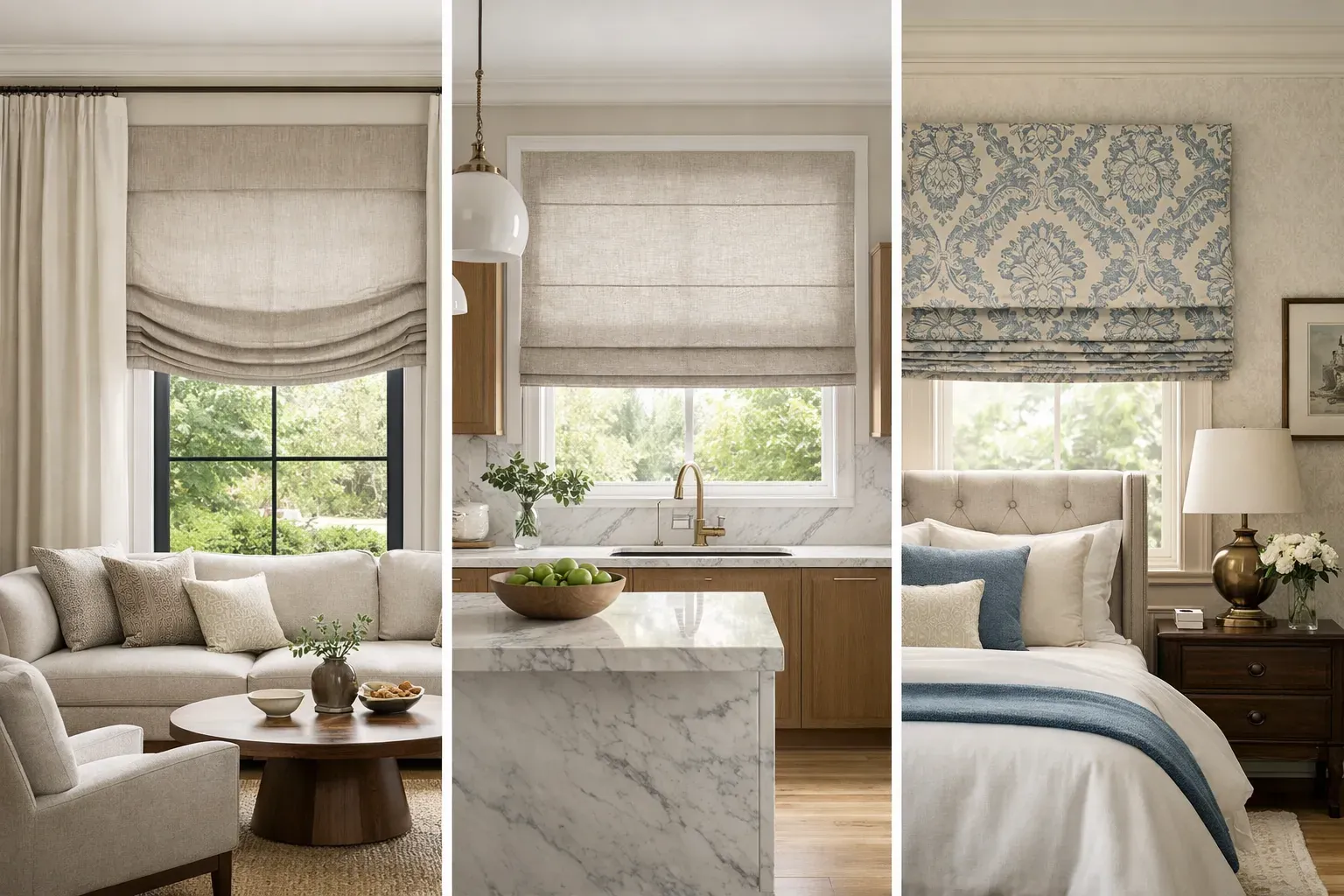
Flat roman shades fold into crisp, horizontal panels when raised. They create a clean, modern appearance and lie flat against the window when lowered. Flat shades are the most versatile style and work with the widest range of fabrics.
Slatted roman shades incorporate wooden or aluminum slats between the fabric layers, similar to how a venetian blind operates within a fabric shell. The slats add structure and allow the shade to stack more uniformly when raised. This is the sturdiest construction method.
Soft fold roman shades (also called hobbled or waterfall shades) maintain cascading fabric folds even when fully lowered. The overlapping folds create depth and dimension. Soft fold shades read as more decorative and are frequently specified for living rooms and dining rooms.
Relaxed roman shades feature a gentle curve or swag at the bottom edge instead of a straight horizontal line. They work best with lightweight, drapey fabrics and are ideal for spaces where a softer, more organic feel is appropriate.
Fabric Selection for Roman Shades
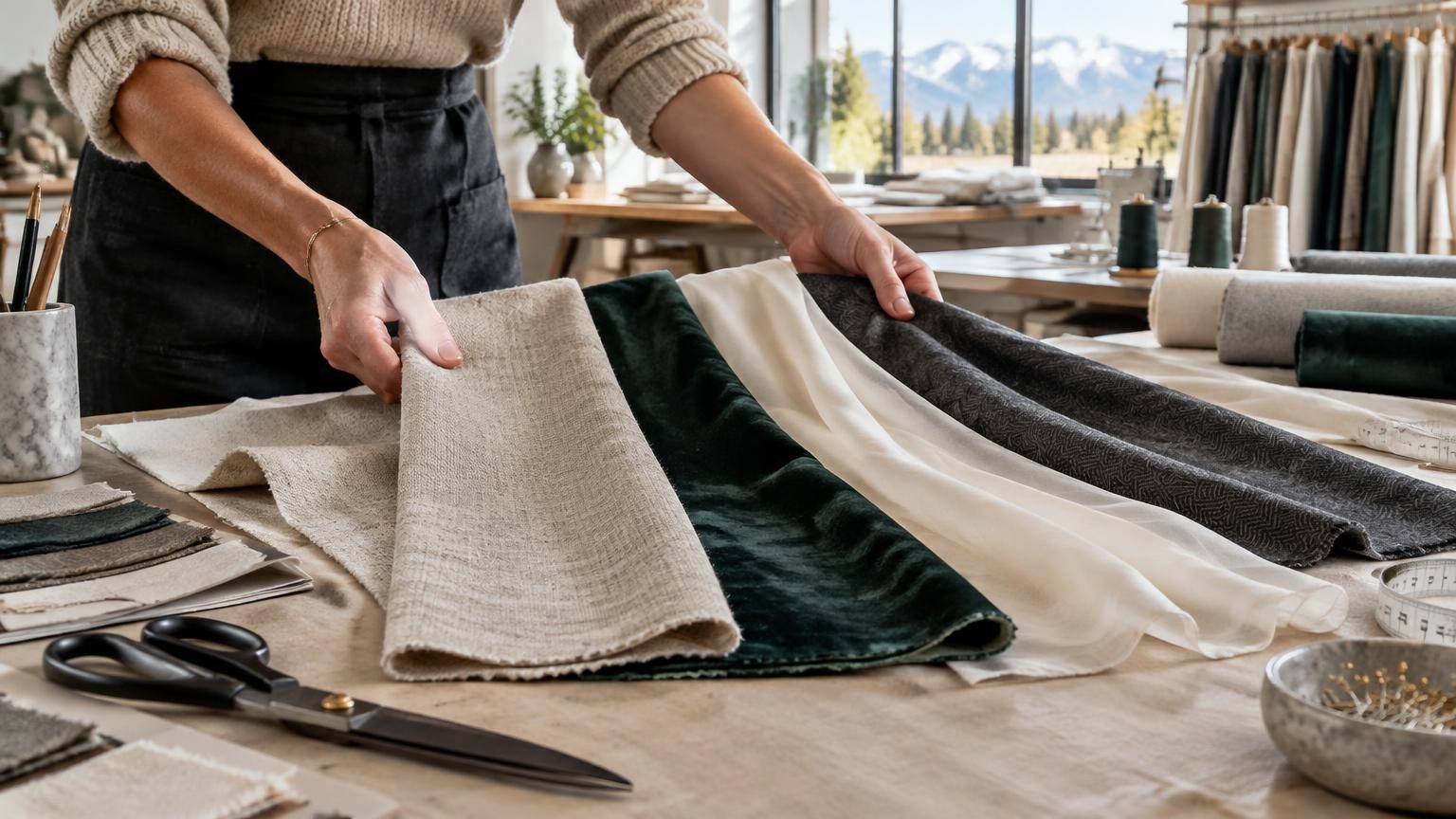
Not every fabric works for every shade style. Roman shades require fabric that can fold cleanly and repeatedly without distorting.
For flat and slatted shades, medium-weight fabrics with a smooth hand work best. Avoid very thick or very thin materials. Fabrics with a pronounced pattern repeat need careful alignment during fabrication.
For soft fold shades, medium-weight fabrics that drape well are ideal. The cascading folds need enough body to hold their shape but enough softness to create visual depth.
For relaxed shades, lightweight and drapey fabrics are required. Stiff or heavy materials will not produce the intended curve at the bottom edge.
We fabricate from COM or can help source appropriate fabrics. If you are unsure whether your selected fabric is suitable for the specified shade style, send us a sample or specification sheet and we will advise.
Motorization
Motorized roman shades are one of the fastest-growing categories in our production. Integration with smart home systems (Lutron, Somfy, and others) requires the shade to be constructed specifically for motor-driven operation. The lift mechanism, fabric weight, and cord route are all engineered differently than a standard manual shade.
If your project requires motorization, specify this at the order stage. Retrofitting a manually operated shade for motorization after fabrication is not recommended.
For more on motorized integration, see: Motorized Roman Shades: Integration Guide for Smart Home Projects.
Measurements and Mounting
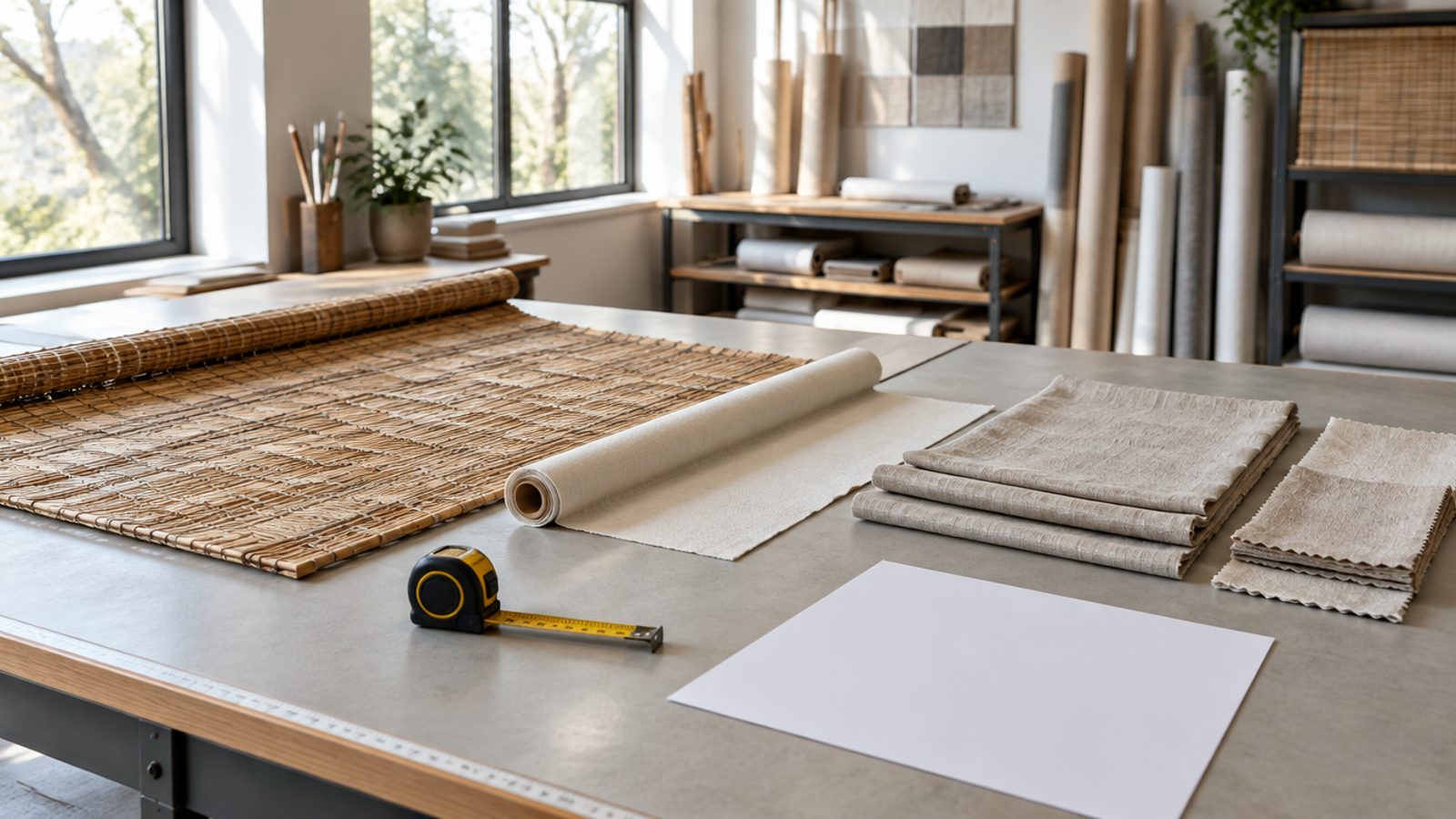
Roman shades can be inside-mounted (within the window frame) or outside-mounted (on the wall or trim above the window). Each mounting type requires different measurements.
Inside mount: Measure the exact width and height of the window opening. We deduct the appropriate clearance during fabrication.
Outside mount: Specify the desired finished width and height, including the overlap beyond the window frame. Include the mounting position (how far above the frame the bracket will sit).
Include the depth of the window frame for inside mounts. Some shades (especially motorized) require minimum mounting depth for the hardware to fit.
Production Timeline
Roman shades typically follow the same 4 to 6 week production timeline as drapery. Motorized shades may require additional time depending on hardware lead times.
For a detailed breakdown, see: Roman Shade Fabrication Timelines: What to Expect from Order to Delivery.
Placing an Order
Submit your specifications through our roman shade order form, via email, or by contacting our team. We confirm all details in writing before production begins.
See our Roman Shades service page for style photos and additional information.
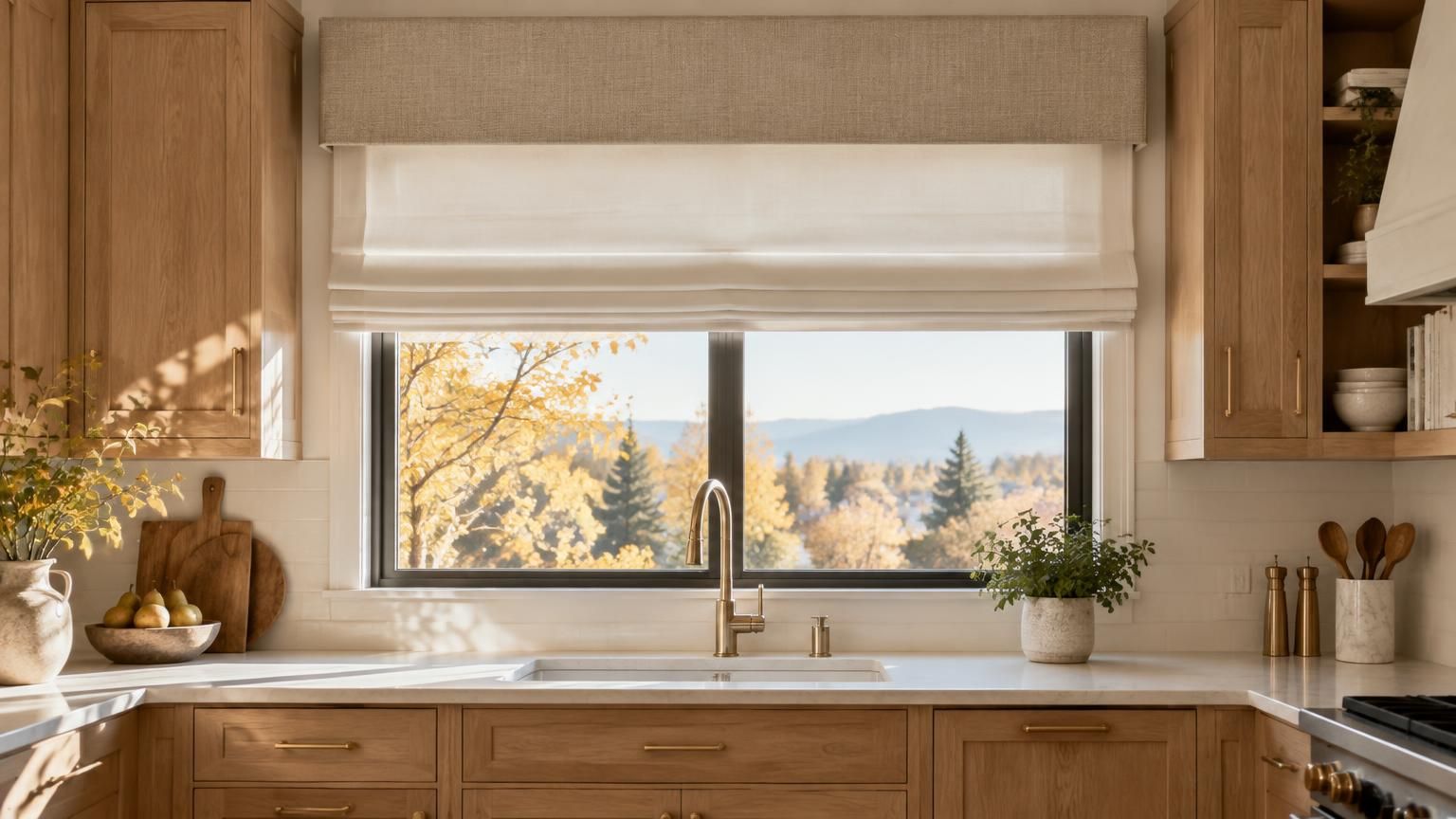
Related project showcases: See roman shade specification in residential context in the LoDo kitchen refresh with woven wood shades and the Highland Park bedroom with designer-specified roman shades and coordinated bedding.