Roman Shade Fabrication Timelines: What to Expect from Order to Delivery
Roman shades are one of the most specified custom window treatments in residential design, and one of the most frequently misunderstood from a timeline perspective. A roman shade looks simple. Fabric, lift system, a few battens, a headrail. Clients and even some designers see the finished product and assume the fabrication must be quick. The reality is that every roman shade moves through the same multi-phase process as drapery, and some styles require more hand finishing than a standard pinch pleat panel.
For designers working with a custom fabrication workroom, accurate timeline expectations for roman shades matter as much as they do for any other treatment category. Underestimate the timeline and the project runs late. Overestimate and the designer loses competitive ground on projects where timing is a decision factor. This post breaks down roman shade fabrication phase by phase so designers can plan schedules that reflect what actually happens in the workroom. For the full specification framework, see Custom Roman Shades: The Designer''s Complete Fabrication Guide.
The Phases of Roman Shade Fabrication
A typical custom roman shade project moves through six distinct phases from specification to delivery. Each phase has a predictable duration range and a set of variables that extend or compress the schedule.
Phase 1: Specification and quote (3 to 5 business days). The designer submits the shade specification including fabric, lining, shade style, lift system, mount type, and finished dimensions. The workroom reviews the specification, flags any issues, and returns a quote. For projects with multiple shades or complex configurations, this phase can extend to a full week if the workroom needs to clarify details or recommend adjustments.
Phase 2: Approval and fabric ordering (2 to 21 days). Once the quote is approved, fabric is ordered. This phase has the widest variance in the whole project. Standard trade fabrics from domestic mills arrive in 3 to 7 business days. Imported fabrics, custom-printed patterns, or fabrics with dye lot verification requirements can take 3 to 4 weeks. The designer''s choice of fabric at specification determines how long this phase runs.
Phase 3: Fabric receipt and verification (1 to 3 business days). Fabric arrives at the workroom and is inspected. Every bolt is checked for yardage, dye lot consistency, and flaws. If issues are identified, the designer is notified before fabrication begins. Verification is quick when fabric arrives clean. When problems exist, this phase can extend another week or more depending on the resolution path.
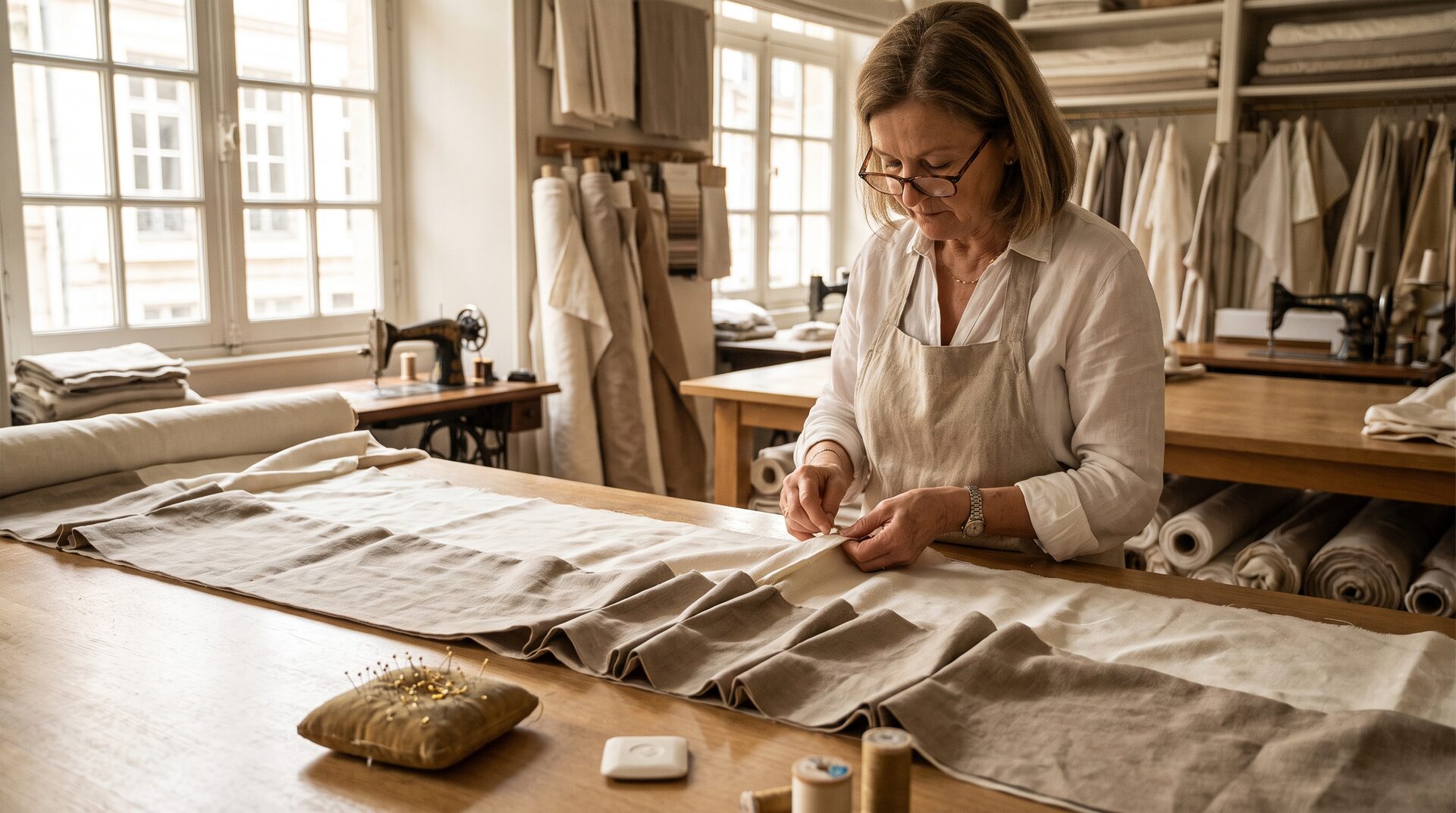
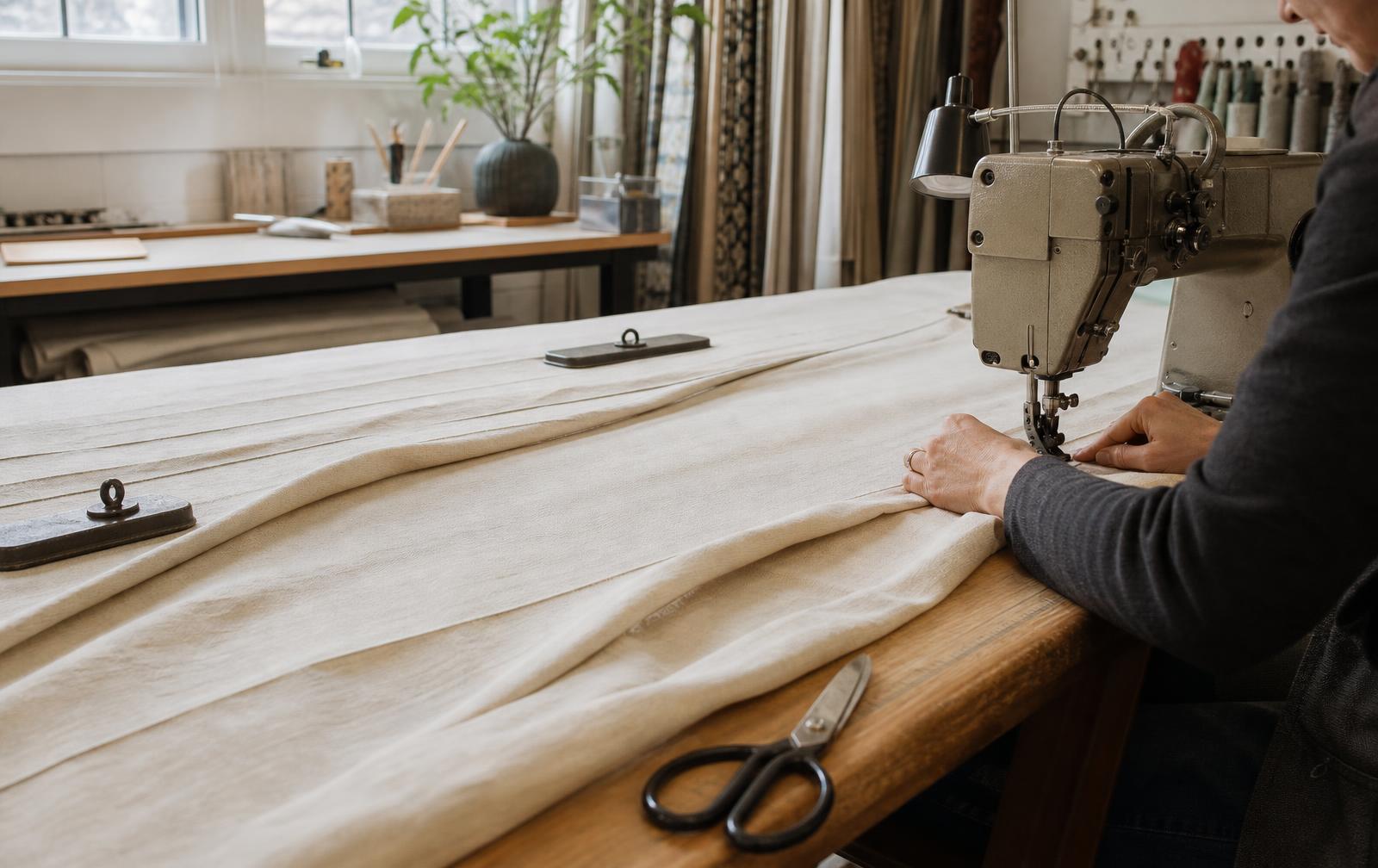
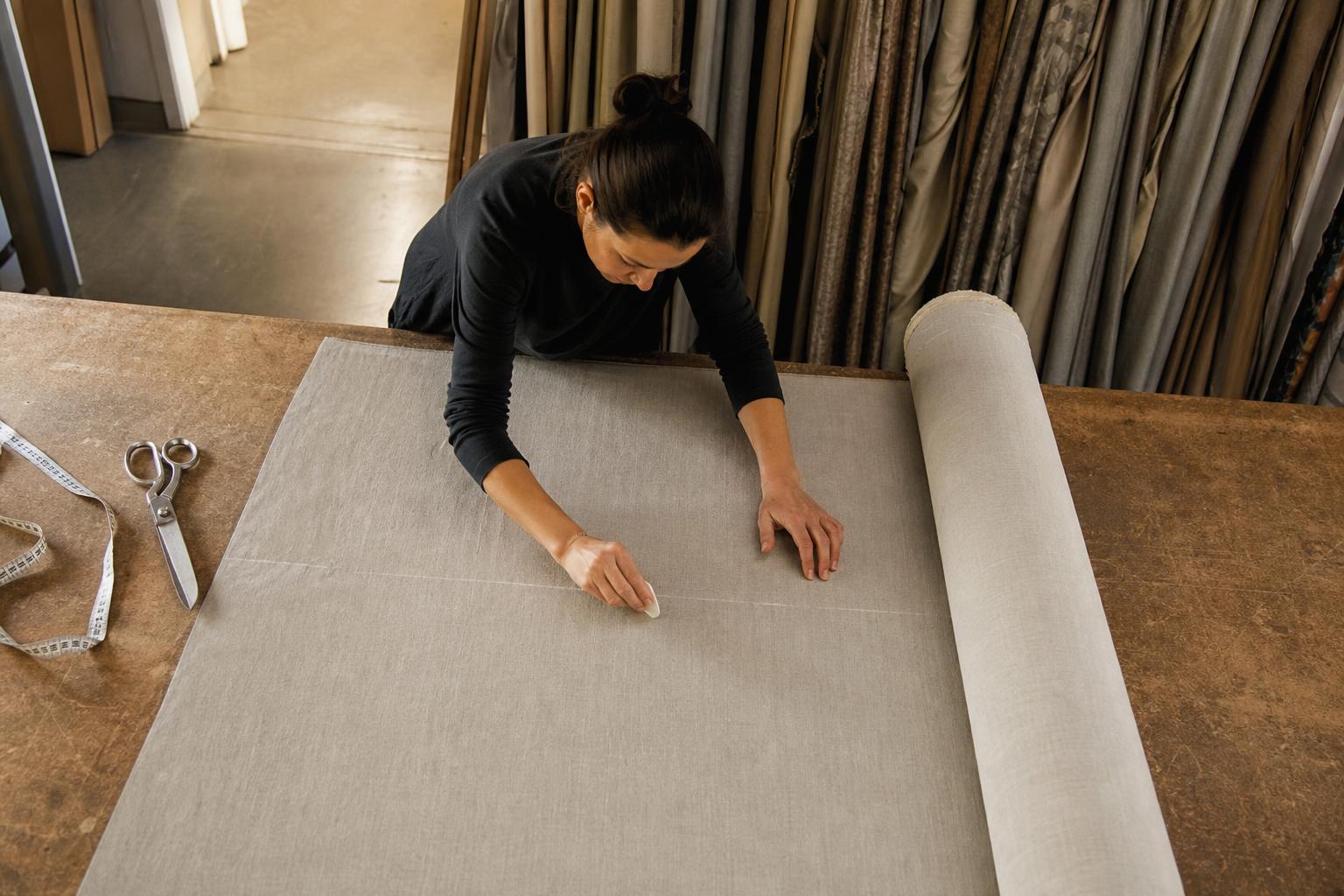
Phase 4: Fabrication (10 to 20 business days). With approved fabric in the workroom, fabrication begins. This phase includes cutting, sewing, lining, batten installation, lift system assembly, and quality control. Standard flat and soft fold roman shades run toward the shorter end of this range. Relaxed styles, shades with interlining, and shades with decorative banding or trim run toward the longer end.
Phase 5: Hardware and headrail integration (3 to 7 business days). Lift systems are installed, cords are configured, motorized components are programmed, and headrails are finished. For non-motorized shades, this phase typically runs 3 to 5 days. For motorized shades, integration with smart home control systems can add another week depending on the specified protocol and any programming complexity.
Phase 6: Quality control and delivery preparation (2 to 4 business days). Every shade is functionally tested before leaving the workroom. Cord operation is verified. Motorized shades are run through their full range. Headrail alignment is checked. Packaging and delivery preparation complete the phase.
The Typical Project Timeline
For a standard project with in-stock fabric, non-motorized shades, and straightforward specifications, the total timeline from quote approval to delivery runs approximately 4 to 5 weeks.
For projects with custom-ordered fabric or imported materials, add 2 to 3 weeks to account for fabric lead time. Total timeline: 6 to 8 weeks.
For projects with motorized shades and smart home integration, add 1 to 2 weeks to account for programming and integration testing. Total timeline: 5 to 7 weeks for motorized with in-stock fabric, 7 to 10 weeks for motorized with imported fabric.
For complex projects with multiple shade styles, layered treatments, or custom construction details, add flexibility to the schedule. Every element that falls outside standard workroom production adds time somewhere in the chain.
The Variables That Drive Timeline
Three variables consistently drive roman shade timeline more than any others. Designers who understand these variables can specify in ways that compress schedules when timing is tight.
Fabric availability. By far the largest variable. A fabric specified from the showroom that turns out to be on a 6-week lead time pushes the entire project back by 6 weeks, regardless of what the workroom can do on the fabrication side. Designers working against a tight timeline should confirm fabric availability with the showroom before committing the client to a schedule.
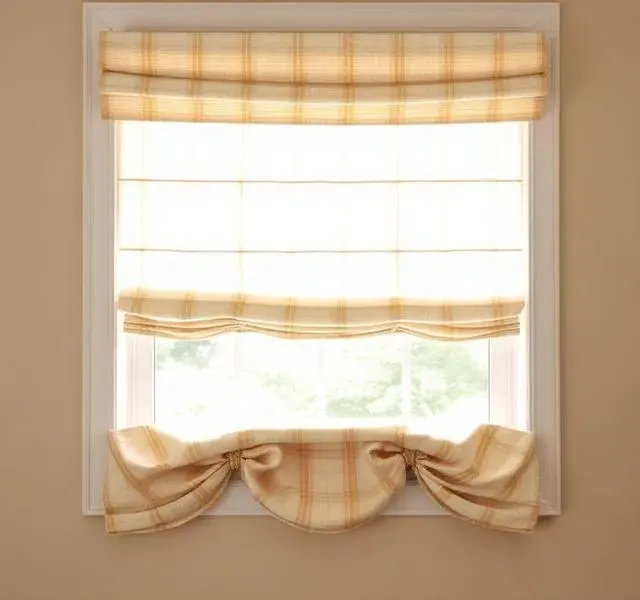
Shade style complexity. Flat roman shades are the simplest construction. Soft fold shades require additional battens and hand shaping. Relaxed roman shades need careful cording and often benefit from wet-setting the folds after fabrication. Hobbled shades are the most time-intensive style. Designers specifying complex styles should add 3 to 5 business days to the fabrication phase. See Flat vs. Soft Fold vs. Relaxed for the full style comparison.
Motorization. Motorized shades require additional components, programming time, and integration with the client''s smart home control system. The motorization itself adds hardware lead time plus programming time. Integration with Lutron, Crestron, Control4, or Josh systems adds additional coordination with the client''s AV integrator, which can extend the final installation phase by a week or more depending on the integrator''s availability. See Motorized Roman Shades: Integration Guide for Smart Home Projects.
Secondary variables include lining choice (blackout linings add minor processing time), mount type (inside versus outside mount affects hardware coordination), and pattern matching requirements (shades with pattern repeats require careful cutting and matching across multiple units).
Common Timeline Mistakes Designers Make
A handful of timeline mistakes appear on projects repeatedly. Each one is preventable with better upstream planning.
Quoting client timelines before confirming fabric lead times. The designer commits to an 8-week completion. The fabric turns out to have a 6-week lead time. Now the project can only fit fabrication in 2 weeks, which is not realistic. The designer either delays the project or switches fabric mid-specification, either of which damages the client relationship.
Assuming motorized shades fit the same timeline as non-motorized. Motorized shades are structurally different products. They involve additional hardware, programming, and often third-party integration. Designers who specify motorization without adjusting the timeline quote wind up explaining delays that were entirely foreseeable.
Missing the installation scheduling window. Fabrication completes on schedule, but the installer has a 3-week backlog. Now the finished shades sit in the workroom or in the designer''s office waiting for installation. This delay is not a fabrication delay, but clients do not care about the distinction. The project is late.
Underestimating the approval-to-ordering gap. The quote goes to the client, and the client sits on the approval for a week. Fabric ordering cannot begin until approval comes through. A client who delays approval by a week delays the entire project by a week. Designers should build client approval timelines into their schedule quotes.
Over-committing on tight timelines. Some projects genuinely need fast turnarounds. A client''s photo shoot in 5 weeks. A move-in date that cannot slip. For these projects, specify within the constraints. Choose in-stock fabric. Keep shade construction simple. Skip motorization if the timeline will not support it. A great finished shade delivered on time is always better than an ambitious specification delivered late. For broader timeline framing, see Managing Client Expectations on Custom Window Treatment Timelines.
How Roseworks Communicates Through the Timeline
Roseworks Fabrication supports designers through the full timeline with proactive communication at each phase transition.
When the quote returns, the designer receives a timeline estimate based on the specification and current workroom queue. This estimate is a realistic projection, not a best-case scenario.
When fabric arrives, the designer is notified that fabrication will begin.
When fabrication is approximately halfway complete, a status update confirms the project is on schedule or flags any emerging issues.
When fabrication completes and quality control is underway, the designer receives notice that delivery or installation scheduling can begin.
This cadence is designed to reduce the number of "where is my project" calls and give the designer a consistent rhythm of information to pass through to the client. Designers who communicate proactively during the quiet middle weeks of a project keep clients calm. Designers who go silent force clients to ask, which feels reactive.
Planning Roman Shade Timelines on Multi-Treatment Projects
Roman shades rarely exist alone on a residential project. A typical scope includes drapery in primary rooms, roman shades in kitchens and bathrooms, and sometimes valances or cornices on top of the window openings. Scheduling these treatments together requires coordination across their different production cadences.
Drapery fabrication runs on a similar total timeline to roman shades for most specifications. Upholstery and soft goods run on different schedules depending on scope. Hardware typically arrives ahead of fabrication so it can be installed during the construction trim phase.
The practical approach is to schedule fabric ordering for all treatments simultaneously once the full project specification is approved. This consolidates shipping, lets the workroom plan fabrication capacity, and produces a coordinated delivery schedule for installation. Splitting specifications across multiple approval cycles adds weeks to the overall project timeline without improving any individual treatment.
For designers planning complex multi-treatment residential projects, Roseworks provides a consolidated project timeline covering all specified treatments. This consolidated timeline is more useful than treatment-by-treatment estimates because it surfaces the critical path across the whole scope.
To discuss timelines for an upcoming roman shade project, submit the specification for a timeline estimate. For the full roman shade specification framework, review Custom Roman Shades: The Designer''s Complete Fabrication Guide. For motorized shade timeline specifics, see Motorized Roman Shades: Integration Guide for Smart Home Projects. For style-specific timeline differences, review Flat vs. Soft Fold vs. Relaxed: Choosing the Right Roman Shade Style for Every Room.
Plan your roman shade project with realistic timelines.
Submit your specification to Roseworks Fabrication and we will return a detailed timeline estimate within 48 hours, built around your project''s actual variables.