Why Custom Fabrication Quality Matters More Than the Fabric You Choose
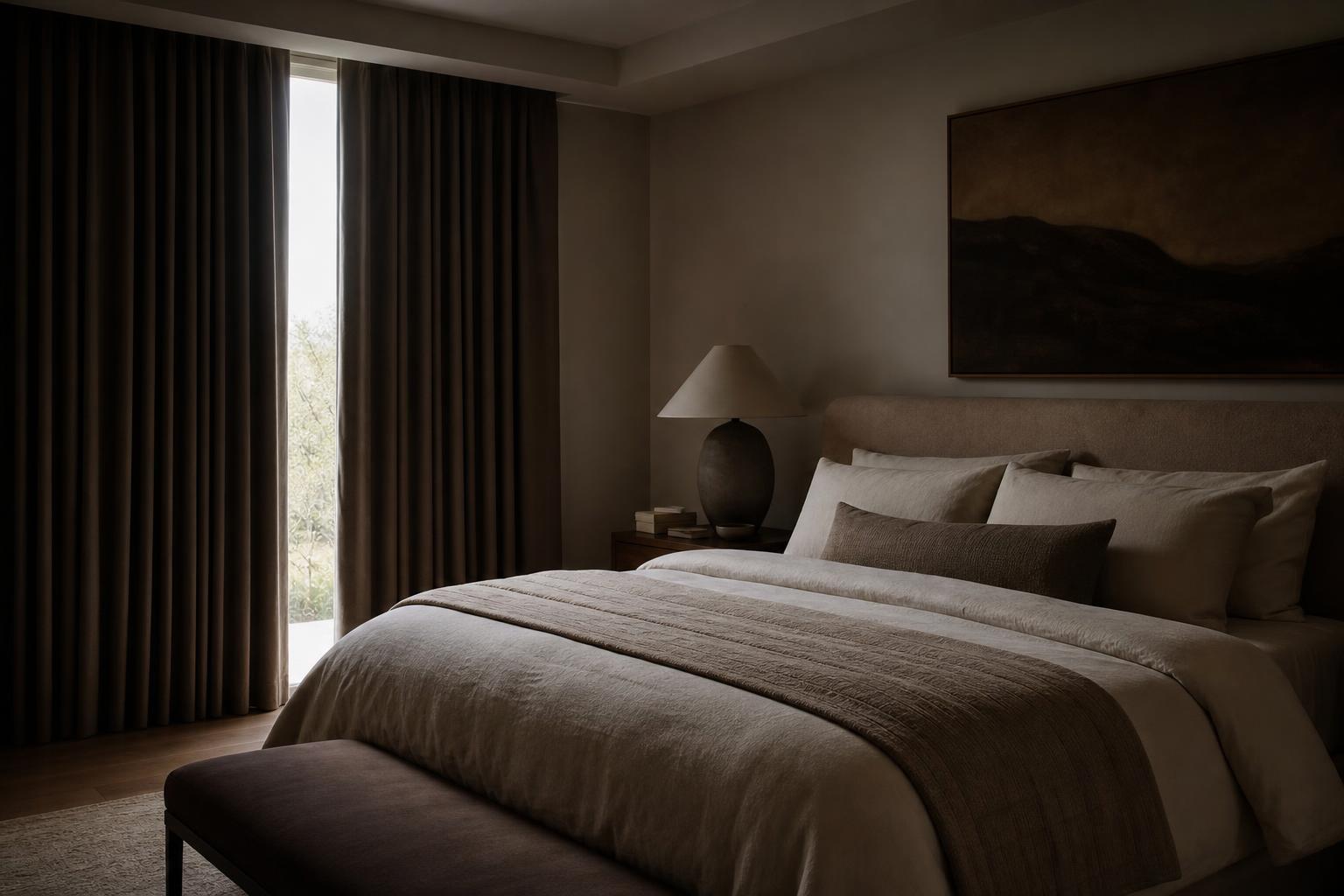
Short answer: custom fabrication quality decides whether a window treatment hangs straight, breaks cleanly and still looks correct in year ten. Fabric selection sets the mood, but construction sets the outcome. A panel cut off grain, hemmed by machine at speed and hung without proper weight will telegraph every shortcut in raking light, no matter how expensive the goods were.
1. What does quality custom fabrication actually mean?
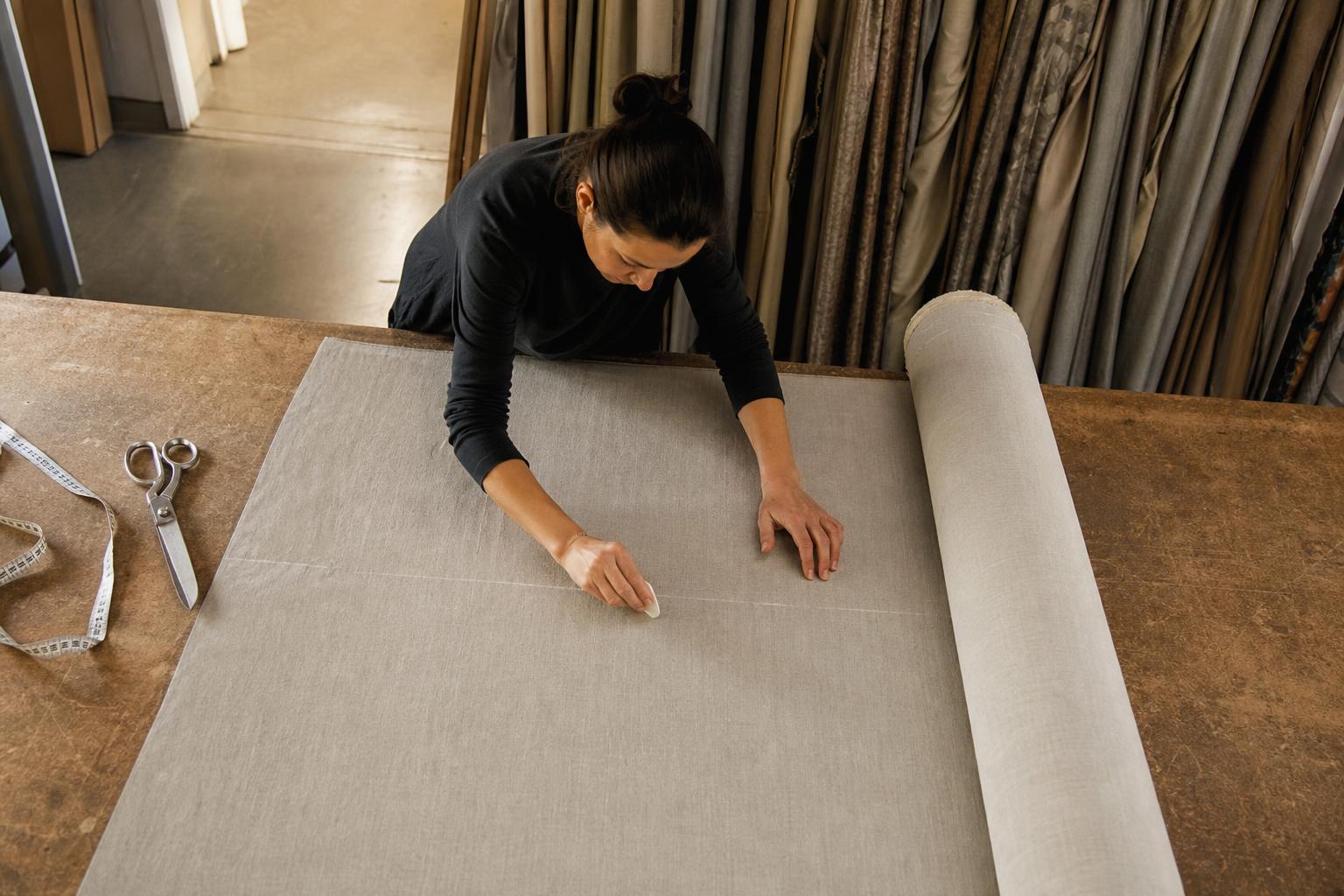
Quality begins before a single stitch. Goods are inspected, measured for usable width and checked for flaws, skew and repeat accuracy. A workroom that skips inspection passes the mill defect straight to the client wall. From there, every cut is squared to the fabric grain rather than the selvedge alone, because a bolt that arrives with two degrees of skew will produce a hem that drifts across a nine foot drop.
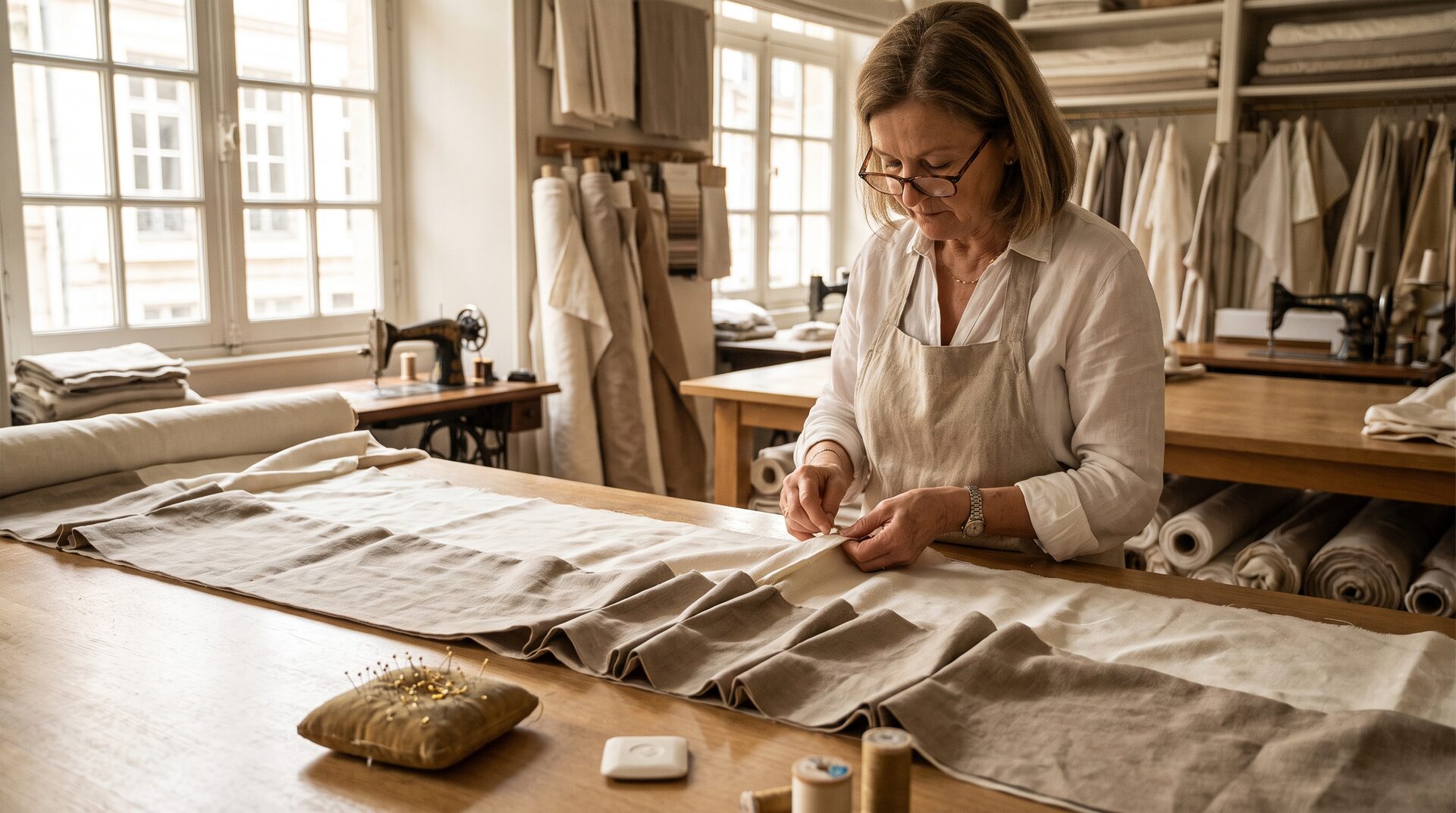
Interlining, buckram weight, hem depth, side hem turnback and header allowance are all specification decisions, not defaults. A four inch buckram header behaves differently from a five inch header on the same linen. Weighted corners keep the leading edge plumb. Blind stitched hems disappear rather than dotting the front face. These are the details clients cannot name but always notice.
2. Where do ready made and rushed fabrication fail?
Ready made panels are built to an average window that does not exist in a real home. Fullness is thin, returns are absent, and the header is stitched flat with no interlining, so the pleat collapses within a season. The most common failures we correct are shallow hems that ripple, unlined panels that sun fade unevenly, repeats that do not align across a multi panel treatment, and roman shades whose rings are spaced by eye so the folds stack unevenly.
On wide expanses the stakes rise. Seaming, panel balancing and repeat placement across a twenty foot run require planning at the cutting table, not improvisation at install. We wrote about that math in our guide to custom drapery fabrication.
3. How does construction quality change how a treatment moves?
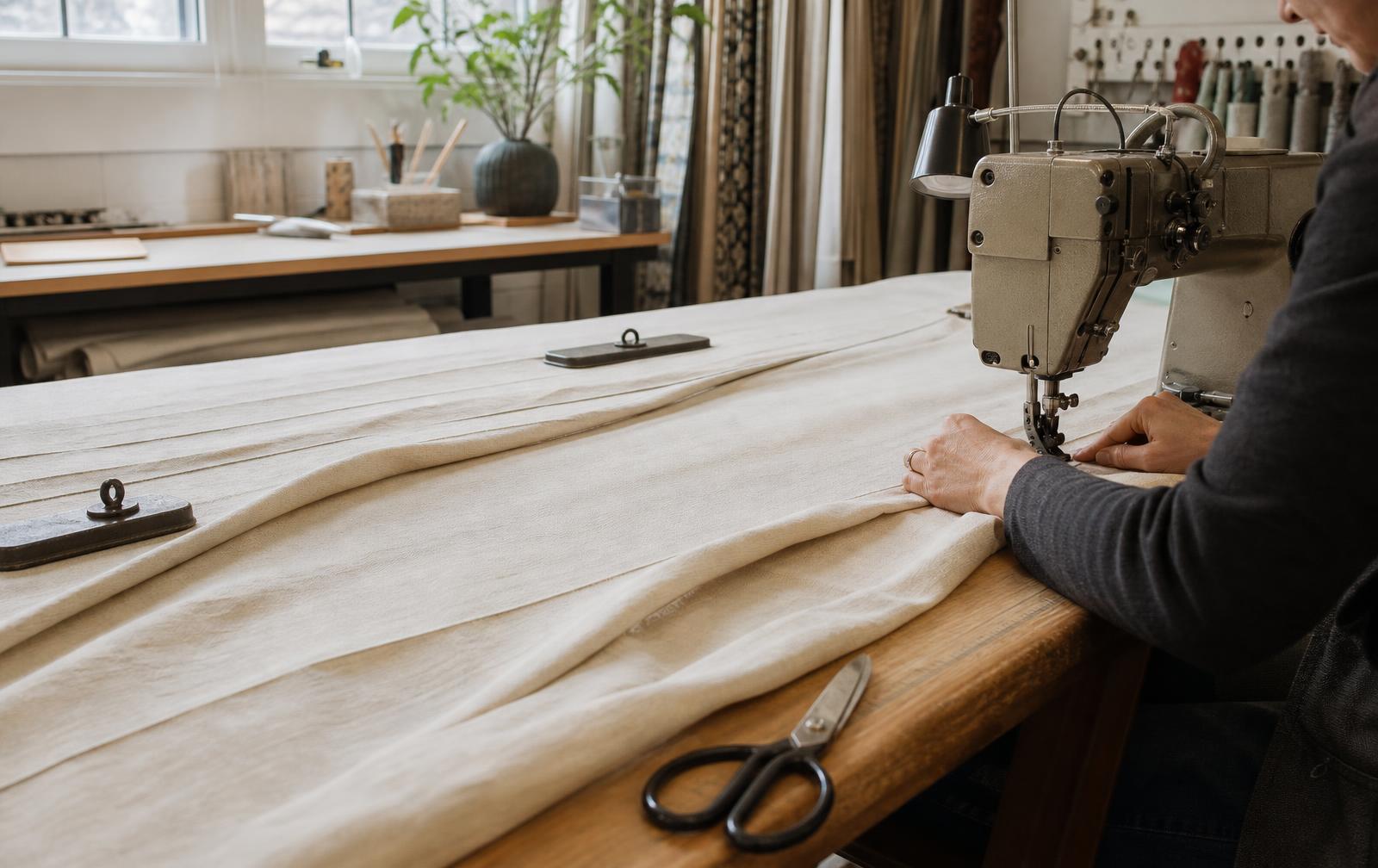
A drapery panel is a moving object. It is drawn daily, brushed by furniture, warmed by sun and pulled by its own weight. Hand finishing lets the fabric relax into its own shape. Machine speed forces it into a shape it will fight. That is why hand tacked pleats, hand slipped hems and properly weighted corners still matter in a shop with modern equipment.
Hardware carries the same logic. A perfect panel on an undersized rod will sag and bind. Our hardware directory covers the traverse systems, brackets and returns we specify for heavy interlined goods, and ripplefold drapery is a good example of a style where carrier spacing and fullness percentage must be decided before cutting.
4. What should a designer specify to get quality back?
- Fullness stated as a multiple, not a guess. Two and a half times is a different product from two times.
- Lining and interlining by name, including whether blackout is required and whether light leak at the header is acceptable.
- Hem depth and header style so pleat spacing can be calculated across the finished width.
- Return and overlap dimensions, especially on outside mount and stacked treatments.
- Repeat placement and where the pattern should land at the sill or floor.
Our fabrics reference explains how content and weave affect these decisions, and the drapery service page lists the header and finishing options we fabricate.
5. Frequently asked questions
Is custom fabrication worth the cost difference? On any treatment intended to last more than a few years, yes. Custom fabrication fits the actual opening, uses the client goods you specified and can be repaired or altered later. Ready made cannot.
How can I tell if a workroom does quality work? Ask to see the back of a finished panel. Hems, seam allowances, corner weights and header interlining tell the whole story. Our twelve questions for choosing a workroom covers what else to ask.
Does quality fabrication take longer? Careful work takes hours, not weeks. Most of a lead time is scheduling and goods arrival, not sewing. See how we handle scheduling on the Denver workroom page.
If you fabricate through Roseworks, specification review happens before we cut. Trade professionals can start here.