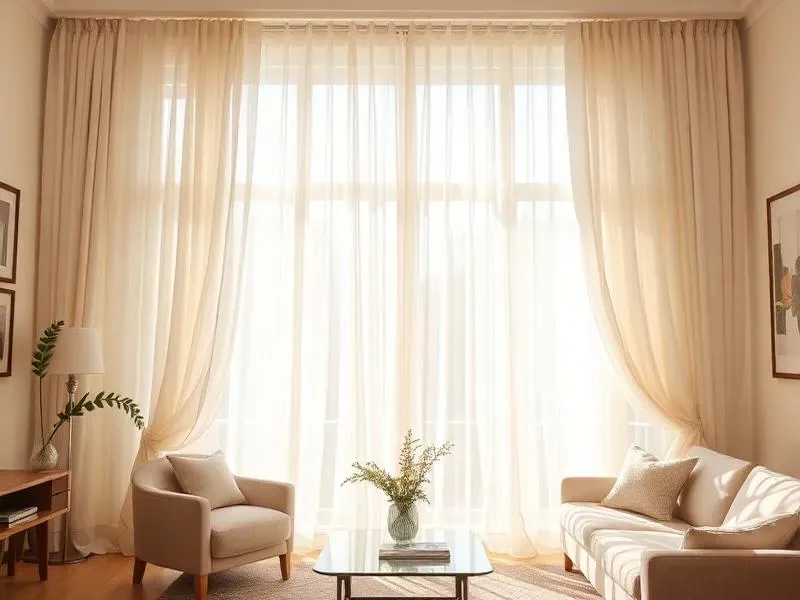
Motorized drapery hardware and automated tracks
Automated drapery tracks, motors, and drapery built to fit them, for designers and AV integrators across metro Denver.
How does automated drapery hardware work?
Automated drapery hardware uses a motor head and a track to move drapery carriers open and closed on command, from a remote, keypad, schedule, or smart home system. The drapery heading must be built for the track, which is why our ripplefold drapery and pleated panels are fabricated to each system.
This page covers track types, power planning, and what to send the workroom. For hardware finishes and manual systems, see drapery hardware.
What to plan for a motorized drapery project
Track type
Ceiling or wall mounted track, straight or curved, sized to the opening and stack.
Motor and power
Hardwired, plug in, or battery motor, with the outlet location placed before drywall.
Drapery heading
Ripplefold or pleated heading built to the carrier spacing of the track.
Control and integration
Remote, keypad, or smart home control configured with the AV integrator.
Layering with shades
A motorized shade behind motorized drapery, grouped into one scene.
Fabric weight
Heavier interlined panels need the right motor size; confirm with the workroom.
Motor options compared
| Motor type | Power | Best for |
|---|---|---|
| Hardwired | Outlet or junction box at track | New builds and large or heavy panels |
| Plug in | Standard nearby outlet | Remodels with an outlet in reach |
| Battery | Rechargeable pack | Retrofits without new wiring, lighter panels |
Motorized drapery questions, answered
What is automated drapery hardware?
Automated drapery hardware is a motorized track system that opens and closes drapery by remote, keypad, schedule, or smart home control. A motor head drives carriers along the track, so heavy or tall panels move smoothly without hand drawing.
What drapery styles work on a motorized track?
Ripplefold is the most common because its snap carriers glide evenly on track. Pinch pleat and euro pleat drapery also work on motorized track with the right carriers. The workroom builds the heading to the specific track system so the stack and fullness come out correctly.
Do motorized drapery tracks need hardwired power?
Many systems use a hardwired motor and need an outlet or junction box at the track end, planned before drywall closes. Some lighter applications can use battery or plug in motors. Confirm the motor type with the AV integrator early so the electrician places power correctly.
Can motorized drapery connect to a smart home system?
Yes. Most professional drapery motors integrate with common home automation platforms through the integrator's control system. Specify the protocol at order time so motors, keypads, and scenes are configured correctly.
Can motorized drapery be added to an existing home?
Often, yes. Battery or plug in motors avoid new wiring, and ceiling tracks can mount where a rod used to be. Hardwired systems in a remodel require planning a power path, so it becomes a scope conversation with the builder and electrician.
Does Roseworks fabricate drapery for motorized tracks?
Yes. Roseworks Fabrication builds ripplefold and pleated drapery sized to motorized track systems for designers and AV integrators in metro Denver, and coordinates the hardware through the studio so panels and track arrive as one system.
Related reading
- Motorized drapery tracks: smart home guide
Track systems and integration in depth.
- Motorized shade power planning
Where power goes before drywall closes.
- Motorization as the standard in 2026
Specifying smart shades.
- Drapery hardware finishes
Finish options for visible hardware.
Plan a motorized drapery order
Send the track layout, motor type, and fabric and we will build drapery sized to the system.
Want to see and feel our fabrics in person?
Visit our sister showroom, Blinds Couture, in Denver. Browse fabric samples, review hardware collections, and meet with a Design Associate to discuss your project.
590 Quivas St Floor 2, Denver CO 80204 | 720-729-0091