Planning Power for Motorized Treatments Before Drywall
Motorized shades and drapery have become standard on high end projects, and the fabric conversation now arrives with an electrical conversation attached. The specification itself is simple. The timing is not. Power decisions made after drywall are expensive, and power decisions made after paint are visible.
The three power paths
- Rechargeable battery. No rough in, easiest retrofit, requires recharging every eight to eighteen months depending on cycles and shade weight. Best for existing homes and modest window counts.
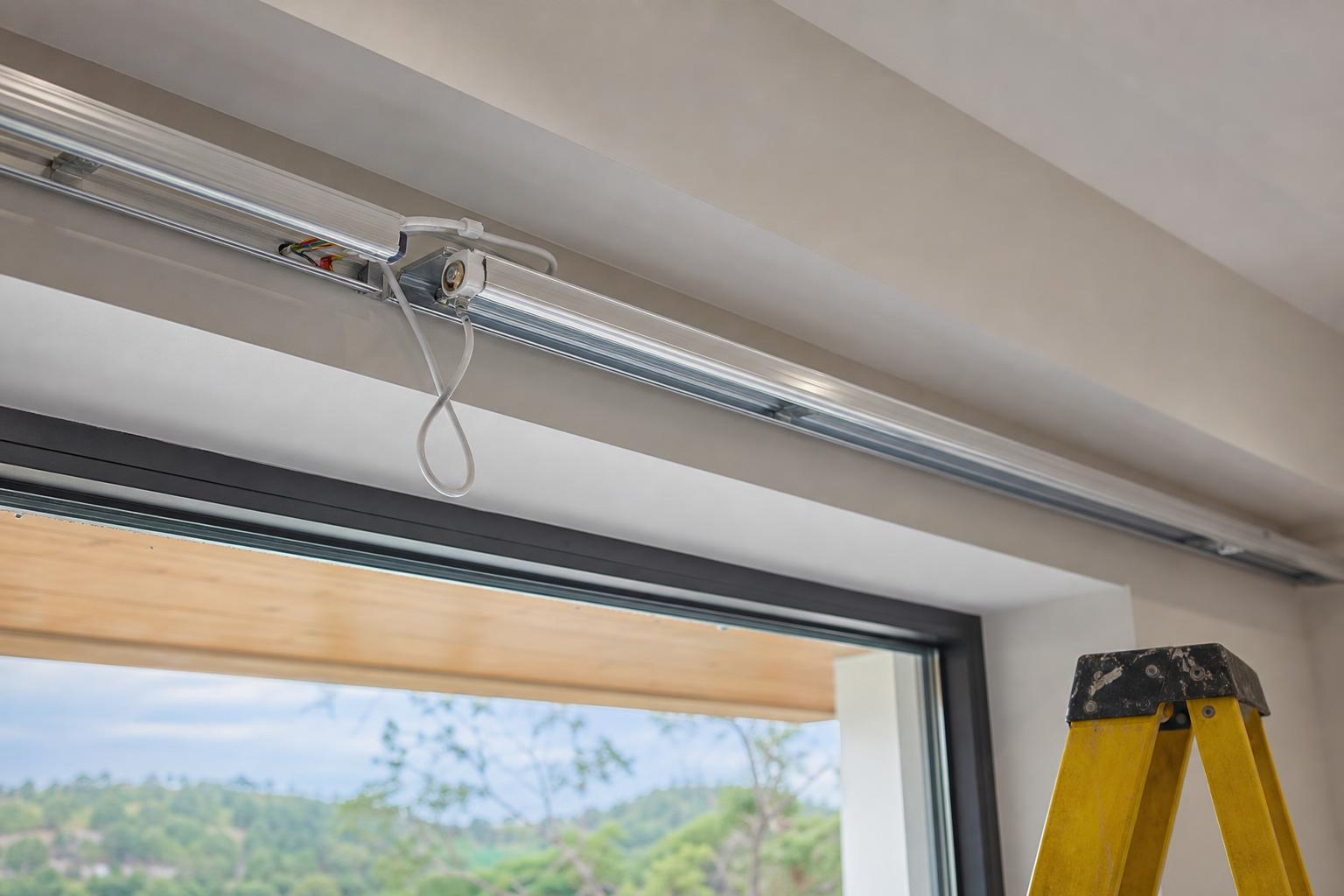
- Low voltage hardwired. A power supply feeds motors through low voltage cable. Clean, permanent, no maintenance, and it needs to be roughed in before drywall.
- Line voltage with local transformer. Used where a receptacle can hide inside a pocket or cabinet. Requires an electrician and a coordinated location.
What the electrician needs from you, and when
Before rough in, deliver a window schedule that lists each motorized opening, the intended power type, the head rail location, and where the power supply or receptacle should land. For hardwired runs, note whether the feed comes from the left or right jamb. This single document prevents the most common failure on the job, which is a hardwired motor arriving to a window with no wire in the wall.
Control planning is a separate task
Decide early whether the treatments live on their own remote and hub or integrate with the home automation system. Integrated systems need the shade manufacturer protocol confirmed against the control platform, and that confirmation belongs in the specification phase, not on install day. Also plan keypad locations, because a wall keypad requires a box in the wall.
Budget the infrastructure, not just the shade
Automation costs include motors, power supplies, hubs, remotes, programming time, and the electrician. Presenting only the shade upcharge sets up an uncomfortable conversation later.
Frequently asked questions
How long do rechargeable shade batteries last per charge? Generally eight to eighteen months of normal use, shorter on large or heavy shades.
Can a battery shade be converted to hardwired later? Often yes, but it means opening a wall. Decide before drywall when possible.
Do motorized drapery tracks need different power than shades? Track motors typically draw more and more often favor hardwired power.