Woven Wood Shades: Liners, Light, and Where They Fail
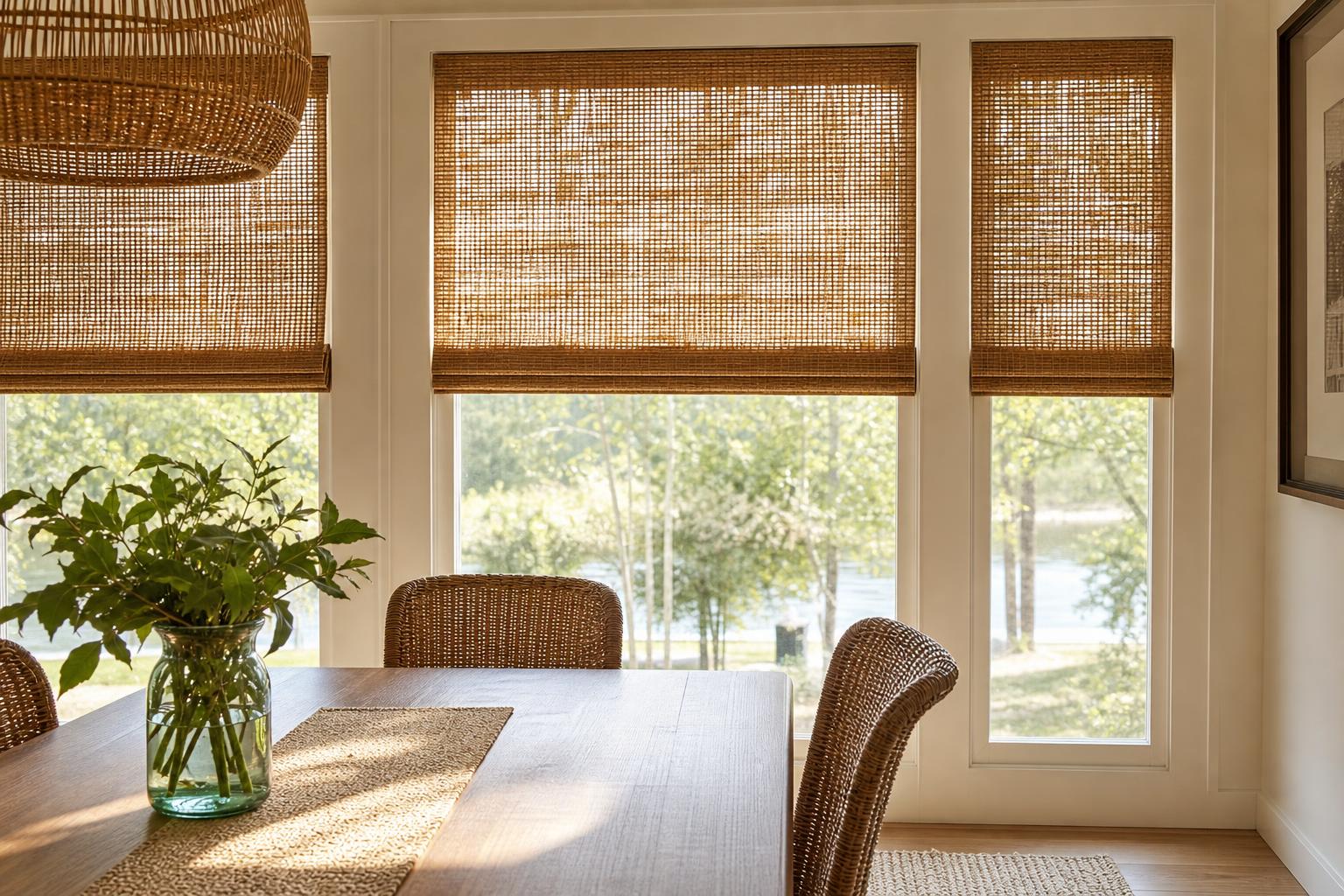
Woven wood shades have moved from coastal casual to genuinely broad use, appearing in mountain contemporary, transitional, and even quite formal rooms. The appeal is texture. Reed, bamboo, jute, and grass carry an irregularity that no printed or woven textile reproduces. The specification risk is that designers select for the sample board and forget what happens at night.
The liner decision is the whole decision
- Unlined. Beautiful daytime glow, effectively no privacy after dark. Appropriate for a window with no sight lines.
- Privacy liner. Blocks silhouettes while keeping some softness. The default for most living spaces.
- Blackout liner. Required in bedrooms and media rooms. Note that it flattens the texture read from inside.
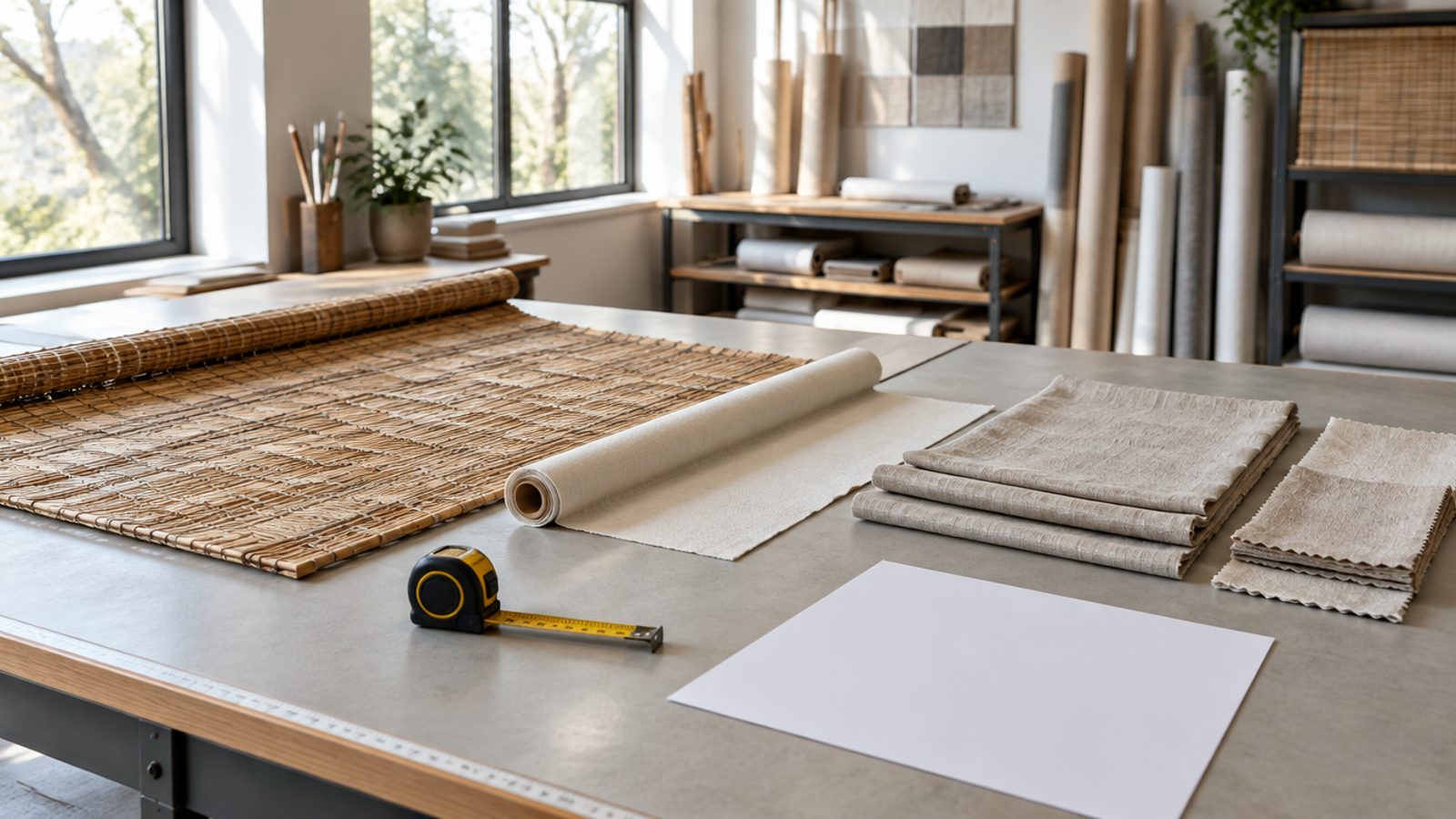
Liners can be attached directly or hung as a separate roller behind the woven shade. The separate roller costs more and performs better, because the client keeps the woven texture during the day and full darkness at night.
Where these shades disappoint
Natural materials vary from sample to production. Some variation in tone and weave is inherent to the material and is not a defect, but the client should see a large sample rather than a two inch chip. In very dry conditions, natural reed can become brittle over years of direct sun, so a sun facing window benefits from a liner that shields the natural material.
Detailing that raises the result
Specify a valance or fascia that conceals the roll, add a decorative edge banding in a coordinating fabric to tie the shade into the room, and consider a fabric side banding on wide shades to break up the expanse. On tall windows, a cordless or motorized lift is worth the upcharge, as raw woven shades are heavy.
Frequently asked questions
Can woven wood shades be cleaned? Vacuum with a brush attachment. They cannot be wet cleaned.
Do they work in bathrooms? Only in a well ventilated bath. High humidity relaxes natural fibers.
Will the color match my sample exactly? Expect natural variation. Order from a large sample and set that expectation with the client in writing.