Custom Shades and Blinds for the Trade: Woven Wood, Roller, and Roman Options Compared
Short answer: Custom shades and blinds for the trade require a product-by-product specification, even when the rooms share a coordinated palette. Fabric Roman shades offer a textile-led fabrication path, while roller and woven wood products follow their selected system's materials, operating options and ordering requirements.
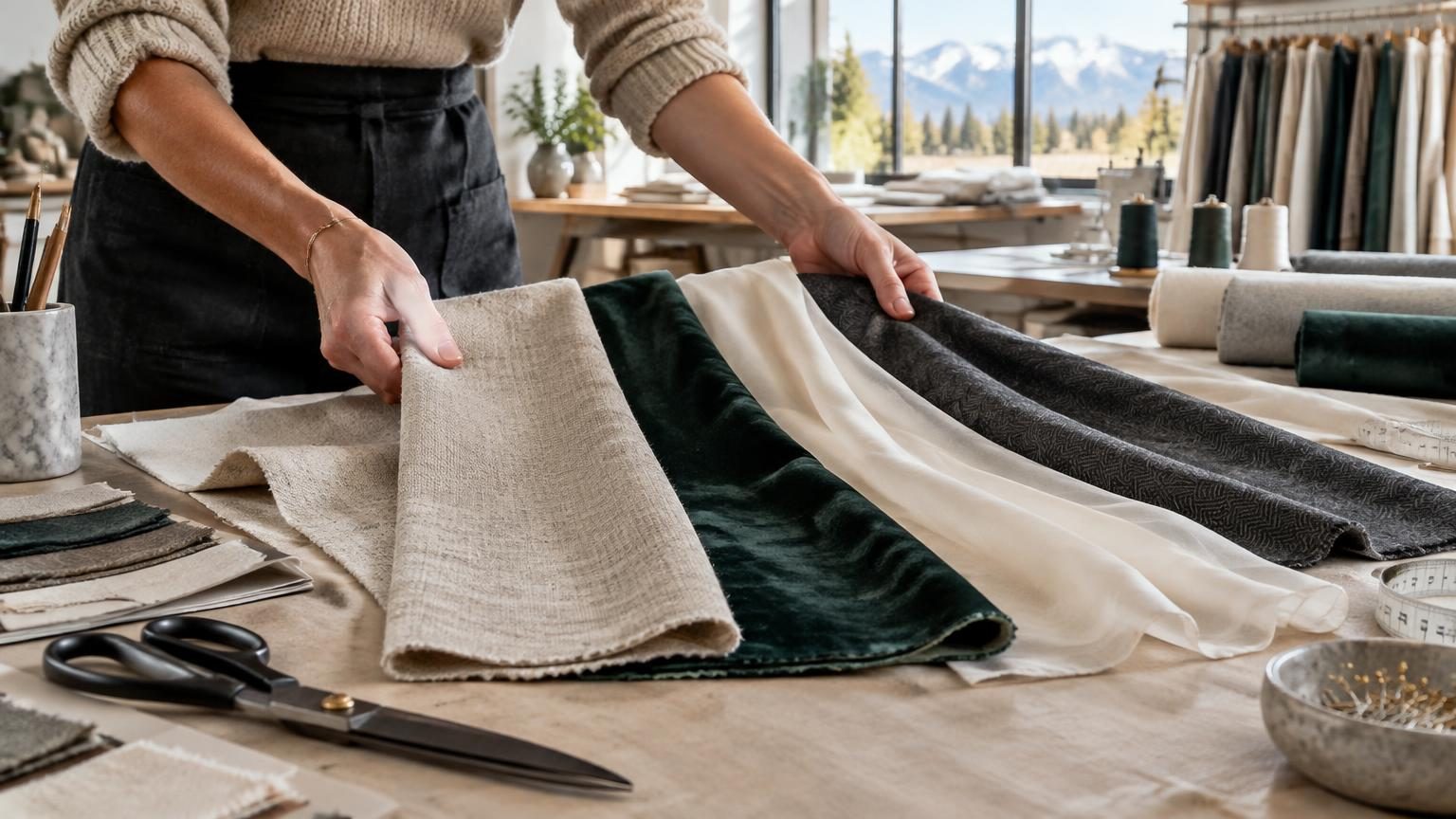
Start with our custom Roman shade fabrication guide when a client-selected fabric drives the design. Roseworks Fabrication is a Westminster, Colorado workroom serving the Denver metro, where a clear opening schedule helps connect soft fabrication with a coordinated shade package. This early fall guide compares practical specification choices without promising product availability or a fixed production schedule.
How does a workroom handle Roman shades versus manufactured products?
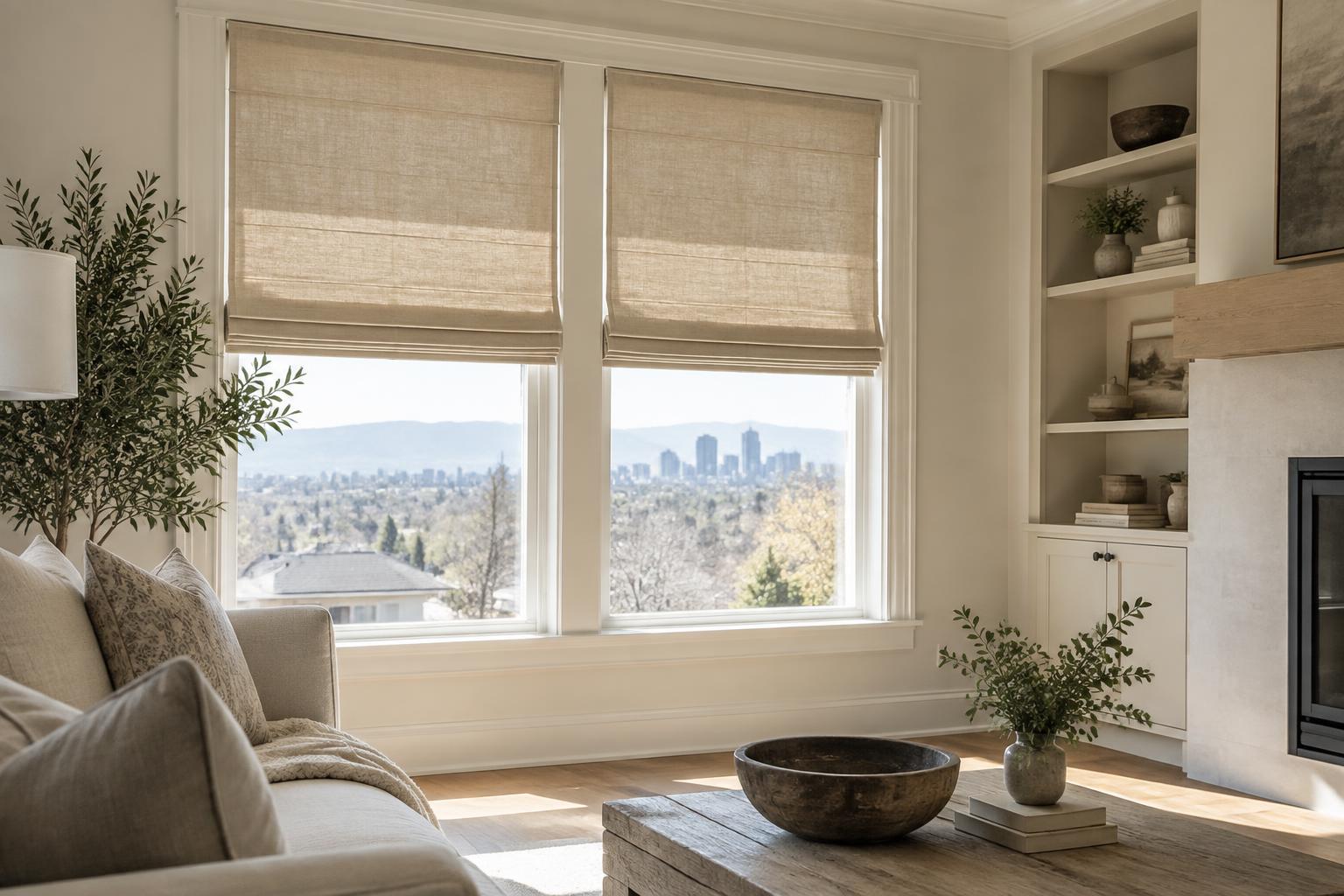
A fabric Roman shade is planned around the textile, construction style, lining and compatible operating system. Manufactured roller and woven wood products are specified within the selected product's available materials and options. A trade workroom can help coordinate the package, but the designer should confirm the sourcing and approval process for each product.
For a Roman shade, fabric behavior matters alongside color. Pattern placement, seams, fold appearance and the relationship between lining and face fabric should be resolved together. Customer's own material, often called COM, requires suitability review before yardage is ordered or cut.
Roller fabrics and woven materials belong to their own product systems. Do not assume a drapery textile can be substituted into a roller or woven shade. Ask which selections are available and who will verify product-specific dimensions, controls and installation conditions.
How do woven wood, roller and Roman options compare?
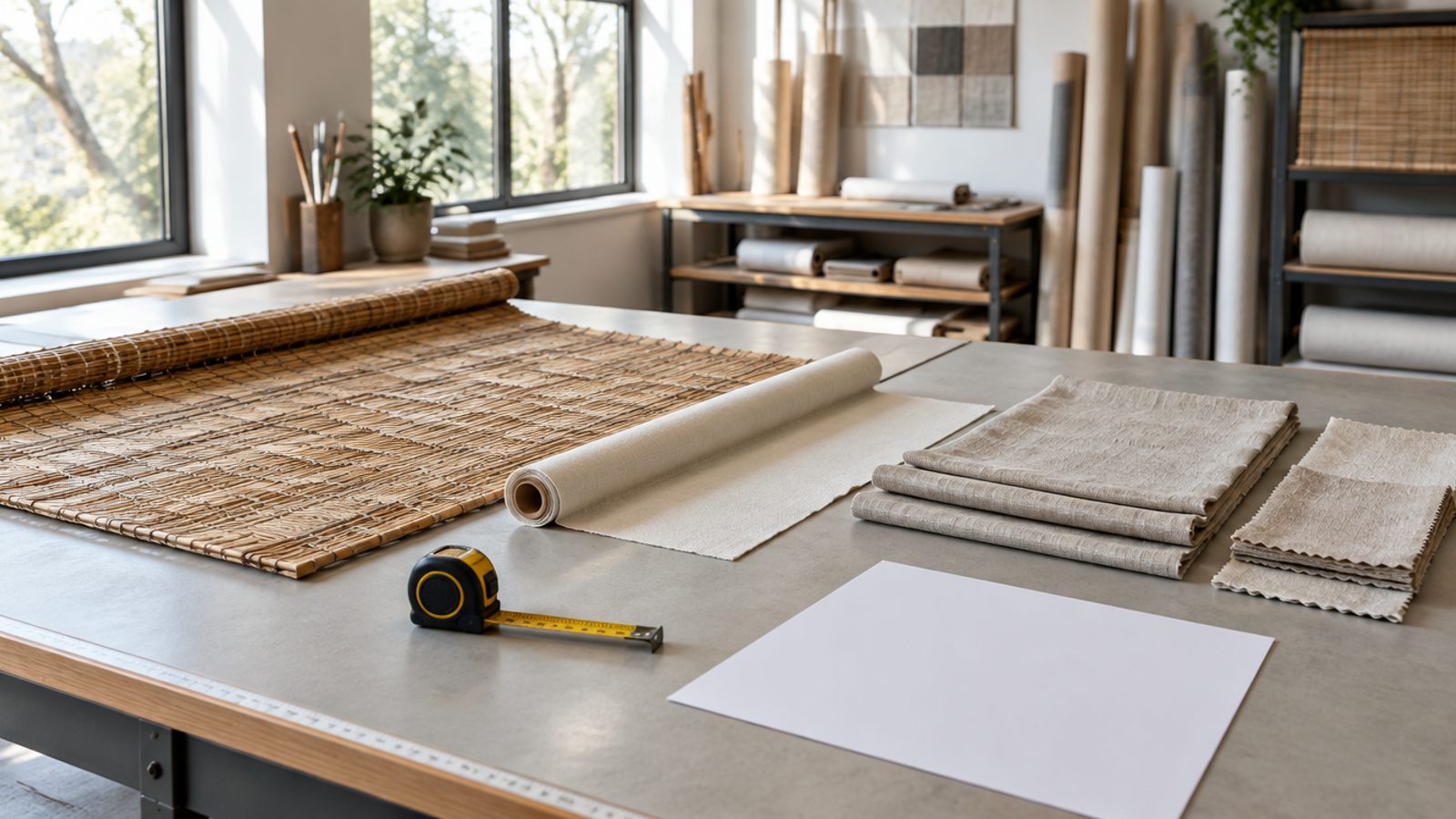
Compare these products by material source, COM compatibility, light control and operation rather than appearance alone. Roman shades suit a fabric-led room, woven wood adds natural texture and roller shades offer a restrained surface. The best fit depends on the opening, client expectations and the options supported by the selected system.
| Product | Fabric source | COM friendly? | Light control | Motorization path | Best fit |
|---|---|---|---|---|---|
| Fabric Roman | Approved face fabric with suitable lining | Often, subject to fabric review | Lining and mount determine performance | Compatible lift system confirmed with construction | Rooms led by textile, pattern or soft folds |
| Roller shade | Selected system's shade fabric collection | Not assumed; confirm any specialist option | Sheer, filtering or opaque fabrics as available | Selected motor, power and control ecosystem | Clean elevations and discreet layering |
| Woven wood | Selected natural woven material collection | Not typically a supplied textile substitution | Weave plus attached or independent liner | Product-supported lift and power options | Rooms seeking tactile natural character |
Use the comparison to narrow the design, then review actual samples and documentation. Material names alone do not describe privacy, opacity or control compatibility. Keep the approved product reference on the schedule so a coordinated appearance does not obscure technical differences.
How should you specify liners and manage light gaps?
Specify daytime filtering, nighttime privacy and room darkening as separate requirements, then select the material and liner accordingly. Light can still pass around a treatment even when its fabric is opaque. Mounting, edge clearances and the installed opening must be reviewed before describing a shade as meeting a particular darkness expectation.
For woven wood, the weave is part of the appeal but also affects visibility. Evaluate the sample against a bright window and discuss privacy after dark. An attached liner and an independently operated backing layer create different experiences, so confirm what the selected product supports.
Our woven wood liner specification guide explores that decision. For roller and Roman shades, show likely edge conditions in the specification and ask the installer to review them. Additional drapery may address a design need, but it should not be treated as an automatic cure for every gap.
What needs to be coordinated before motorized shades are ordered?
Coordinate the motor, power supply, charging or service access and intended controls before ordering a motorized shade. Include the installer and AV professional when room controls or whole-house integration are involved. Confirm compatibility for the actual selected product rather than assuming that all motorized systems communicate or install in the same way.
Record whether the project requires a local control, grouped operation or integration with another system. Identify who supplies and commissions each part. A room drawing should show access points and any power locations that affect the treatment or surrounding finish work.
Read our motorized shade power planning guide before closing walls or approving cabinetry around an opening. Where battery operation is proposed, review service access and charging arrangements. Do not promise a service interval without information for the specific system and its intended use.
What should a complete trade shade order include?
A complete order includes room and opening labels, measurements, mount decisions, selected materials, liner requirements and the operating system. Add photographs, obstructions and any related drapery details. Clearly distinguish measured opening dimensions from requested finished sizes, and identify unresolved questions before the package is released for review or production.
- Attach fabric references and approval status for each Roman shade.
- Record product, color and liner references for roller and woven selections.
- Identify control preferences, power coordination and installer responsibilities.
- Show visible alignment goals and note opening conditions that differ.
Use the Denver workroom hub to plan the broader coordination conversation. Submit revisions as a consistent package rather than separate messages that leave old drawings and new selections in circulation. Confirm timing directly once scope, material availability and approvals are understood.
How do you keep a whole-house shade package consistent?
Keep a whole-house package consistent through shared finish references, room labels, alignment intent and an agreed control strategy, not by forcing every opening into the same product. Different exposures and privacy needs may justify different constructions. Review them together so those differences read as deliberate design decisions rather than unrelated purchases.
Build a room-by-room palette showing face materials, liners and neighboring drapery. Include the exterior appearance where relevant and review how natural woven variation differs from a uniform roller fabric. Specify the desired result without promising that unlike materials will match exactly.
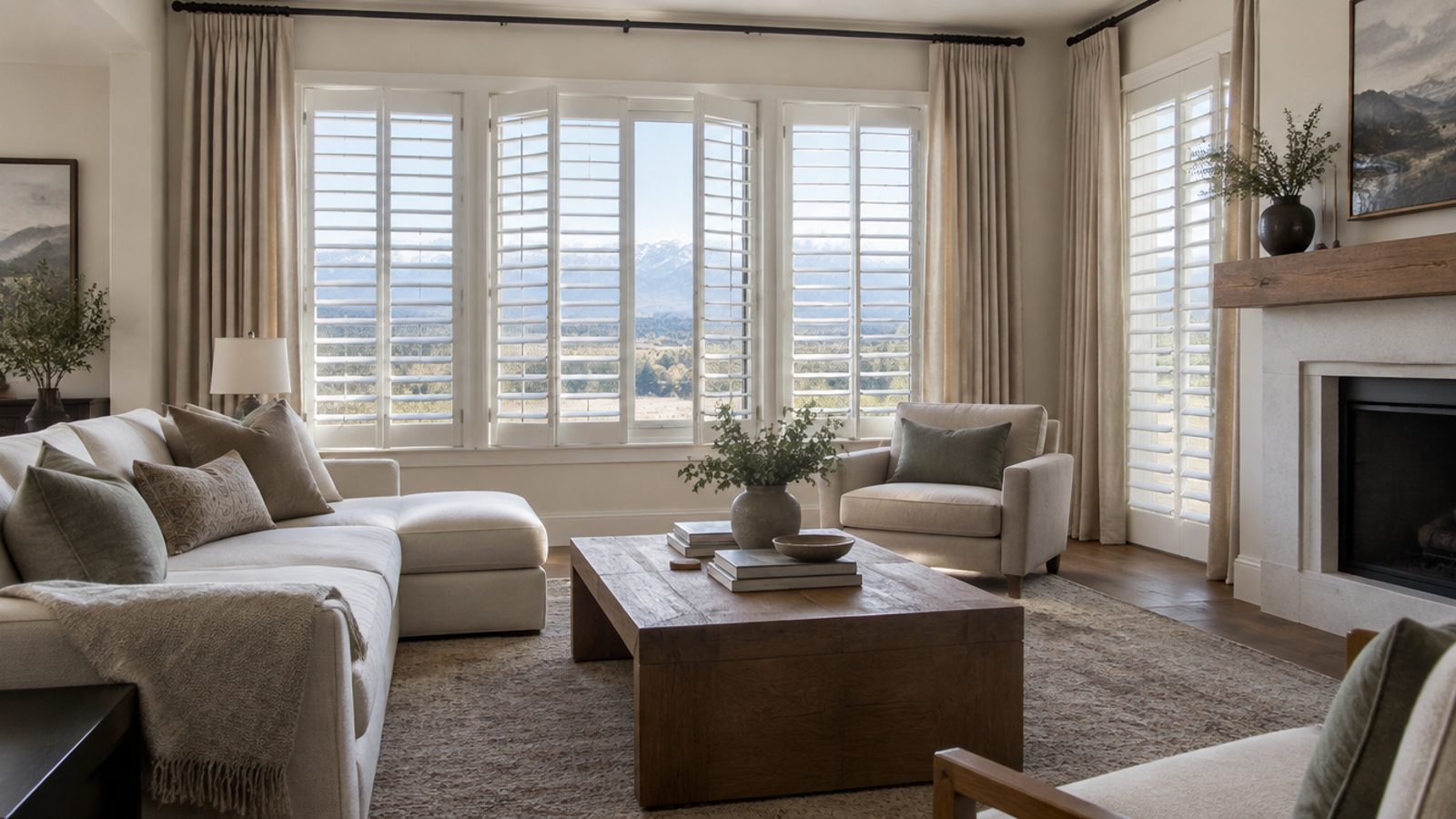
If shutters are part of the same residence, use our custom shutter specification checklist for designers to coordinate frames, finishes and operation. Keep every product's technical requirements intact while the room drawings establish a coherent visual relationship.
When a fabric will appear in both shades and panels, use our drapery fabric selection guide for designers to compare folding, lining and stack requirements before committing to the cloth.
Frequently asked questions
These questions address the choices that most affect a coordinated trade shade package. The answers describe specification principles rather than a guarantee of product availability, compatibility or installed performance. Confirm the selected system and opening conditions with the workroom and installer, then incorporate those decisions into the approved schedule before ordering.
Can a designer supply fabric for custom Roman shades?
Often, subject to suitability review and the workroom's COM requirements. Confirm fabric behavior, pattern placement, lining and yardage before purchasing material, and retain the approved fabric reference with the order.
Can roller shades use the same COM fabric as drapery?
Do not assume they can. Roller systems generally use their specified fabric collections. Any specialist substitution needs explicit confirmation from the selected product source before it is included in the design.
Do woven wood shades provide nighttime privacy?
The weave and liner determine privacy. Review the selected material in relevant lighting and specify an appropriate backing layer where privacy is required, rather than relying on the appearance of a small sample.
Does blackout fabric eliminate every light gap?
No. An opaque fabric addresses light through the material, not necessarily around its edges. Discuss mounting and perimeter conditions with the installer and define the client's darkness expectations before approval.
Can different shade types share motorized controls?
Sometimes, when the selected systems support a compatible control approach. Confirm the actual motors, controls and integration requirements with the installer or AV professional; similar product labels do not establish compatibility.
Should every room use the same shade construction?
No. Consistent finishes and design intent can connect different constructions. Choose each product for privacy, exposure, operation and textile needs, then review the complete package together for a deliberate result.
Connect with the Roseworks Trade Program to review your shade schedule, fabric selections and coordination questions for a Denver metro project.